


Blog

Buying a GMC Commercial Truck: The Ultimate Checklist

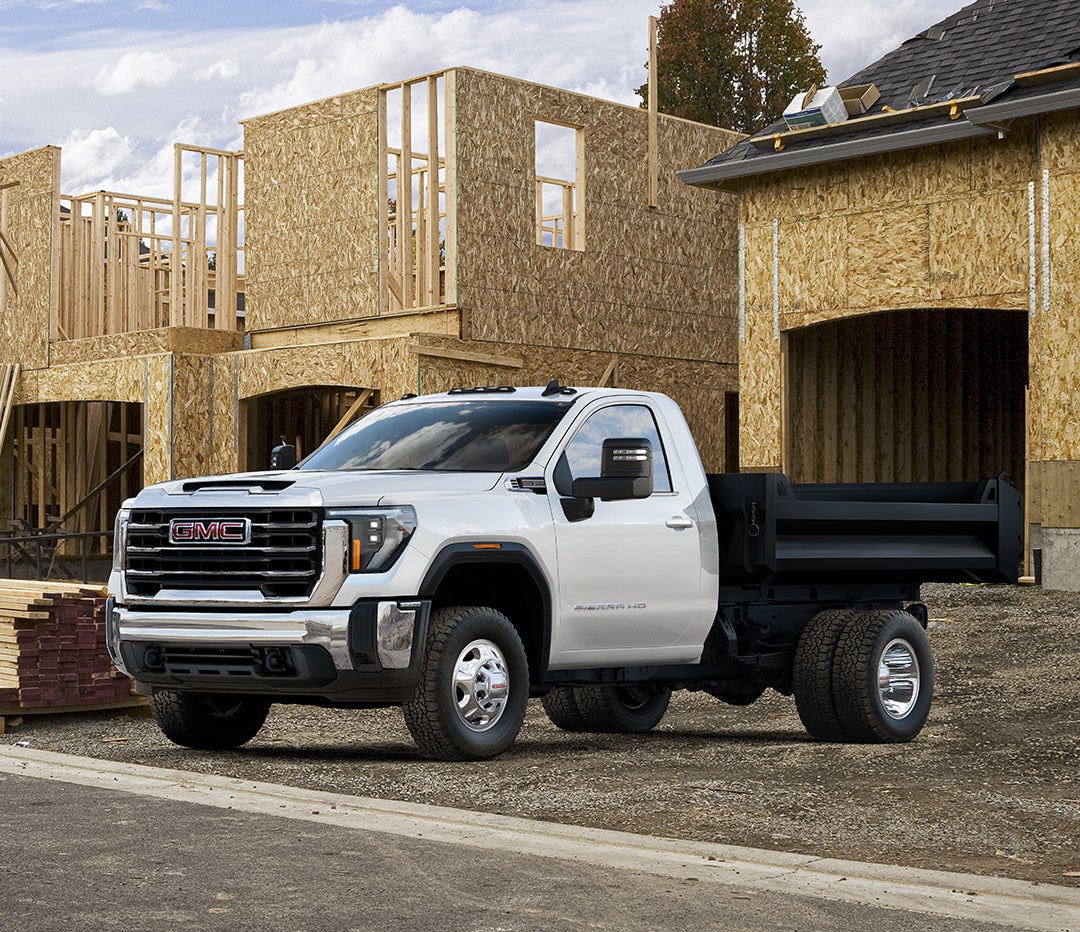
2025 GMC SIERRA 3500 HD CHASSIS CAB-EXT1 (1)

Buying a commercial truck isn’t just a purchase—it’s a business decision. Whether you're hauling materials across Etna or outfitting your crew for jobs in Fox Chapel, the right truck keeps your operations running smoothly. GMC delivers serious power and reliability with models like the Canyon, Sierra 1500, and Sierra 2500, all designed to handle demanding workday conditions.

This ultimate checklist walks you through everything you need to know before buying a GMC commercial truck—from evaluating your hauling needs to understanding warranties and service options. If you’re in Glenshaw, Allison Park, or anywhere nearby, Joe Ball GMC is your trusted local partner for new and preowned commercial trucks. Visit us or contact our team to find the right truck that works as hard as you do.

What Should You Know Before Buying a GMC Commercial Truck Near Glenshaw or Allison Park?

Buying a commercial truck is a big step for any small business or trade crew. The right truck helps you get more done, stay safe on the road, and make the most of your budget. If you're based in Glenshaw, Allison Park, or nearby towns like Etna or Fox Chapel, your needs might vary—but the basics stay the same.

Before heading to a dealership, like one of the trusted GMC commercial truck dealers in the area, make sure you're clear on a few key points.

Start by Asking: What Will This Truck Do Every Day?

You should know how you plan to use the truck. That way, you’re not stuck with a truck that’s too big or too small.

  • Daily loads: How much weight do you need to carry?
  • Towing needs: Will you tow gear or trailers often?
  • Drive type: Will you need 4WD for hilly roads or snow?
  • Cab space: Do you need to fit your whole crew in one truck?

If you're doing light hauling or local job runs, a smaller truck like the GMC Canyon might be the right fit. It’s easy to park, great on gas, and built tough for everyday use.

Think Long-Term, Not Just Short-Term

A work truck should grow with your needs, not hold you back. Choose one that can keep up as your jobs get bigger or more complex.

  • Will your team grow in the next year or two?
  • Will your work shift from town roads to off-road sites?
  • Do you plan to add gear racks, plows, or a trailer?

Local Support Matters

Choosing a dealer close to Glenshaw or Allison Park makes service and follow-up visits easier. You’ll save time and keep your truck in good shape. Look for GMC commercial truck dealers that offer:

  • Flexible service hours
  • Fast part orders
  • Help with fleet or business needs

Planning ahead makes the whole process easier. When you're ready, your local dealer can walk you through the rest—step by step.

How Do You Know Which GMC Truck Fits Your Business Needs?

Not every job calls for the same truck. That’s why it’s so important to match the truck to the work. Choosing the right one means better results, lower costs, and fewer delays.

General Motors commercial trucks offer a wide range of choices. From light-duty to heavy-duty, each one is made to work hard. But which one is right for you?

Look at the Work You Do Each Day

Think about your main tasks. Your truck should help you get through your day—not slow you down. Use this quick guide to get started:

Truck ModelBest ForKey Strengths
CanyonLight hauling, small crews, in-town jobsEasy to park, good fuel use, smooth ride
Sierra 1500Mid-size jobs, towing under 13,000 lbsPower, tech features, strong build
Sierra 2500Heavy loads, tough sites, full crew and toolsStrong frame, big engine, high tow power

If your work involves tight streets, the Canyon might be your best bet. It gives you space and strength in a smaller size.

Need more power and room? The Sierra 1500 strikes a good balance. It works well for towing trailers and hauling gear.

For job sites that demand full power, the Sierra 2500 steps in. It handles big loads and long hours with ease.

Think About Add-Ons and Upfits

Will your truck need racks, tool boxes, or a lift gate? Not all trucks can handle the same gear. Check the bed size, frame strength, and power needs before you buy.

Choose the Right Cab and Bed

Not every truck comes with the same cab or bed length. Think about what fits your crew and your work best:

  • Regular Cab: Best for solo jobs or short hauls
  • Double Cab: More room for tools or one extra rider
  • Crew Cab: Full team space and strong rear seating
  • Standard Bed: Good mix of space and size
  • Long Bed: Extra space for tools, gear, or haul jobs

Choosing the right truck means thinking ahead. Make sure it works for what you do now—and what you’ll do next year.

What Should You Look for When Inspecting a Commercial Truck?

A close look can save you from big costs later. Whether you're buying new or browsing preowned commercial trucks, a proper check matters. This step is key—especially for hard-working models like the Sierra 2500.

Check every area of the truck. Don’t rush. A short test or quick glance could miss signs of wear or damage.

Start with the Outside

Walk around the truck. Look at the body, frame, and lights.

  • Body panels: Check for dents, rust, and signs of repair
  • Frame: Look for cracks or bends—these can point to past damage
  • Lights: Make sure headlights, brake lights, and turn signals all work
  • Glass: Look for chips or cracks in windows and mirrors

Move to the Inside

The cab should be clean and fully working. Watch for signs of wear or leaks.

  • Seats and floor: Look for tears, stains, or strong odors
  • Dashboard: All gauges, lights, and buttons should work
  • AC and heat: Test them in all settings
  • Leaks: Check under mats and near seals for water signs

Inspect Under the Hood

The engine is the heart of your truck. It should run smooth and clean.

  • Oil: Check the level and color. Old, dark oil can mean poor care
  • Belts and hoses: Look for wear, cracks, or bulges
  • Leaks: Watch for oil or fluid under the truck
  • Battery: Look for corrosion or signs of age

Test the Key Parts

A short drive helps you spot issues you can’t see when parked.

  • Brakes: Feel for pull, noise, or soft pressure
  • Steering: Should be firm and smooth
  • Ride: The truck should not shake or bounce
  • Gears: The truck should shift with ease, with no delay

Heavy-duty trucks like the Sierra 2500 are built to last—but they still need care. A well-inspected truck gives you more value and fewer problems later on.

Take your time. Ask for service records. When in doubt, have a trusted tech give it a full check before you buy.

Are the Specs Right for the Job?

Before you buy a truck, take time to match its specs with your daily tasks. If the truck falls short, it could slow down your work—or cost more in fuel, wear, and commercial truck service down the road.

A model like the Sierra 1500 fits many job needs, but not all. Specs help you know where it shines—and where you may need more.

Key Specs to Review Before You Buy

Use this list to help compare different trucks:

SpecWhy It Matters
PayloadShows how much weight the bed can hold
Tow ratingTells you how much the truck can pull safely
Bed lengthAffects how much gear or tools you can carry
Engine sizeImpacts power, speed, and fuel use
Fuel typeGas or diesel—each has pros and cons
Drivetrain2WD vs. 4WD can change traction and handling
WheelbaseAffects how the truck turns and rides

Match the Truck to the Work

For lighter jobs with less haul weight, the Sierra 1500 may be the perfect choice. It offers:

  • Good fuel use for its class
  • Strong tow power for mid-size trailers
  • Plenty of space for tools or parts
  • A ride that feels more like a pickup than a big rig

But if your work includes heavy loads every day, you may need more power or payload. Specs help you know when to move up to a larger model.

Don’t Forget Future Needs

Your next job could be bigger than today’s. Choose a truck that lets you grow without replacing it too soon. Look for:

  • Room for upgrades or add-ons
  • Engines known for long life
  • Trucks with easy commercial truck service access

When you know the specs, you know what the truck can handle—and that helps you make the right choice the first time.

Why Are Service Records and History So Important for Preowned Commercial Trucks?

When you're looking at preowned commercial trucks, the outside can look clean—but it’s what’s under the hood that counts most. Service records and history reports give you a clear view of how the truck was treated before it hit the lot.

Even a well-known model like the Sierra 1500 can have hidden issues if it hasn’t been cared for right.

What to Look for in a Truck’s History

A clean history means fewer risks for your work truck. Ask for:

  • Full service records: Oil changes, tire checks, and brake jobs should all be listed
  • Past repairs: See if parts like the transmission or brakes were fixed or swapped
  • Accident history: Look for signs of frame damage or body work
  • Number of owners: Fewer owners often means better upkeep
  • DOT inspections: Trucks used for work should have passed safety checks

Why These Records Matter

  • Help spot patterns like missed oil changes
  • Show if the truck sat too long between uses
  • Confirm that key parts were fixed or kept up
  • Give peace of mind before you sign any papers

Trucks that skip service don’t last long. The right preowned commercial truck will have proof it’s been cared for, not just cleaned up.

Tips for Buyers

Use this checklist to guide your review:

ItemWhat to Look For
Oil Change RecordsDone every 3,000–5,000 miles
Brake Service LogsPads and rotors replaced as needed
Tire RecordsRotations and replacements recorded
Engine WorkNo long gaps in service, no major issues
Mileage ConsistencyMatches what’s listed and looks steady

Don’t guess about a truck’s past. A Sierra 1500 with solid service history can outwork many newer trucks with unknown care.

What Will This Truck Really Cost Over Time?

The price on the sticker is just the start. A truck’s true cost shows up over months and years. Even a solid workhorse like the Sierra 2500 can add up fast if you don’t plan ahead.

Many GMC commercial truck dealers can help you understand the full picture before you buy. But it’s smart to run the numbers yourself too.

What to Add Up

Owning a truck means more than the loan. These key costs often get missed:

  • Fuel use: How often will you fill up?
  • Oil and filters: Needed every few months
  • Tires: Can wear out faster with big loads
  • Repairs: Even good trucks need work over time
  • Insurance: May cost more if used for work
  • Loan interest: Adds cost to each monthly bill

Use This Table to Estimate Costs

Cost TypeHow OftenEstimated Impact
FuelWeekly or bi-weekly$75–$150 per fill-up
Oil ChangeEvery 5,000 miles$60–$120
TiresEvery 40,000–60,000 mi$800–$1,200 per set
Repairs & ServiceYearly (or as needed)$500–$1,500
InsuranceMonthlyVaries by use, $100–$300 per month
Loan InterestMonthlyBased on credit and loan term

Don’t Forget the Resale Value

A truck that holds its value costs less in the long run. Sierra 2500 models tend to stay strong on trade-in—if well cared for.

Look for these signs a truck will hold value:

  • Good service history
  • No frame or body damage
  • One or two past owners
  • Clean title

Buying from trusted GMC commercial truck dealers helps too. They often include service records and may offer short-term coverage plans.

Plan for the full cost—not just the down payment. That’s how smart buyers protect their bottom line.

How Important Is Reliable Commercial Truck Service Near Etna and Fox Chapel?

Service is more than oil changes. When your truck is down, your work stops. That’s why steady, skilled care is key—especially if you work near Etna or Fox Chapel.

If your truck hauls gear, tools, or goods each day, you can’t risk long waits. A strong commercial truck service plan keeps you moving.

Why Local Truck Service Matters

Staying close to home matters when time is tight. Fast, local help cuts delays and saves money.

  • Quick repairs: Nearby shops mean less time off the road
  • Familiar staff: Local teams know your truck and your routes
  • Fewer tows: A local stop means you may not need to haul your truck far
  • Trusted parts: Shops linked to brands like GMC use parts that fit right

Think Long Term

Choosing a truck with good support helps over time. A model like the Canyon pairs tough build with easy upkeep. That helps reduce shop time.

Look for:

Service NeedWhy It Matters
Brake checksStops wear from turning or towing
Oil and filter changesKeeps engine clean and cool
Tire rotationSpreads wear evenly for longer life
Warranty serviceSaves money while your truck is still under it
Diagnostic scansSpots small issues before they get worse

Don’t wait for a problem to find a plan. Make sure the shop is close, the staff is trained, and the parts are right. A smooth commercial truck service plan helps your truck work as hard as you do.

What Are the Next Steps to Drive Your GMC Truck Off the Lot?

You’ve picked the right truck. You know it fits your needs. Now it’s time to take the next step.

At trusted GMC commercial truck dealers, like Joe Ball GMC, the buying process is clear. Staff are there to help from start to keys in hand.

Be Ready with the Right Info

Before you sign anything, make sure you have the right papers. This will help speed things up.

  • Driver’s license: Needed for the test drive and the sale
  • Proof of insurance: Must match the vehicle and buyer
  • Proof of income: Some loans may ask for a pay stub
  • Down payment: Bring a check, card, or proof of funds
  • Financing pre-approval: Optional, but helps speed up the sale

Know What You Want

It helps to come in with a plan. If you’ve picked a Sierra 1500, know your trim level and key features.

Use this simple guide:

StepWhy It Matters
Pick your truckHave a model and trim in mind
Take a test driveMake sure the ride feels right
Ask about service plansKnow what’s covered and what’s not
Review final costDouble-check all numbers before signing
Sign and driveFinish paperwork and take the keys

Ask Smart Questions

Don’t be afraid to speak up. Your truck is a big buy.

  • What’s the full price with taxes and fees?
  • What’s covered under the warranty?
  • Are there service or oil change plans?
  • Can I get help with fleet tools or upgrades?

Buying a truck, like the Sierra 1500, should be a smooth, smart step. With the right dealer, it will be

Frequently Asked Questions

Choosing the right commercial truck comes with many questions. Whether you're starting your first purchase or upgrading your fleet, clear answers can help you move forward with confidence.

How do I choose the right GMC commercial truck for my business?

Choose based on your work needs: payload, towing, and daily use. The Canyon suits lighter tasks, the Sierra 1500 balances strength and comfort, and the Sierra 2500 is ideal for heavy-duty jobs.

Should I buy a new or preowned GMC commercial truck?

Buy new if you want full warranty coverage and the latest features. Buy preowned if you want to lower upfront costs and don’t mind light wear.

What financing options are available for GMC commercial trucks?

Most GMC dealers offer loans, lease options, and business fleet financing. Credit score and truck type may affect your terms.

Can I trade in my old commercial truck when buying a new GMC?

Yes. Most GMC dealers accept trade-ins. The value depends on age, condition, and mileage.

Why should I choose GMC over other commercial truck brands?

GMC trucks are built for work, offer strong towing, and include high-end trims. Models like the Sierra 1500 and 2500 balance strength and tech.

These answers can guide your buying process, but nothing beats seeing the right truck in person. For expert help and to explore the latest GMC commercial trucks, visit or contact Joe Ball GMC today.

Your Next GMC Starts Here at Joe Ball GMC

Your next truck should work as hard as you do. Joe Ball GMC is proud to serve drivers from Glenshaw, Allison Park, Fox Chapel, and Etna with a wide mix of new and used trucks built for real jobs. If you're shopping for a Canyon, Sierra 1500, or Sierra 2500, our team can help you choose the right one for your crew and budget.

Still have questions? We’re here to make the buying process clear, fast, and low stress. Come see what sets Joe Ball GMC apart. You can contact us online or by phone to get started today.

Want to learn more before you buy? Take a look at how the Canyon vs Ford Ranger match up where it counts. Need help picking a trim? This GMC Canyon trim comparison breaks down the top features. We also offer trusted brake repair in Pittsburgh to help keep your GMC truck safe and ready for work.
Recommended Posts

2026 GMC Canyon

GMC Canyon Package & Trim Options [2026 Guide]

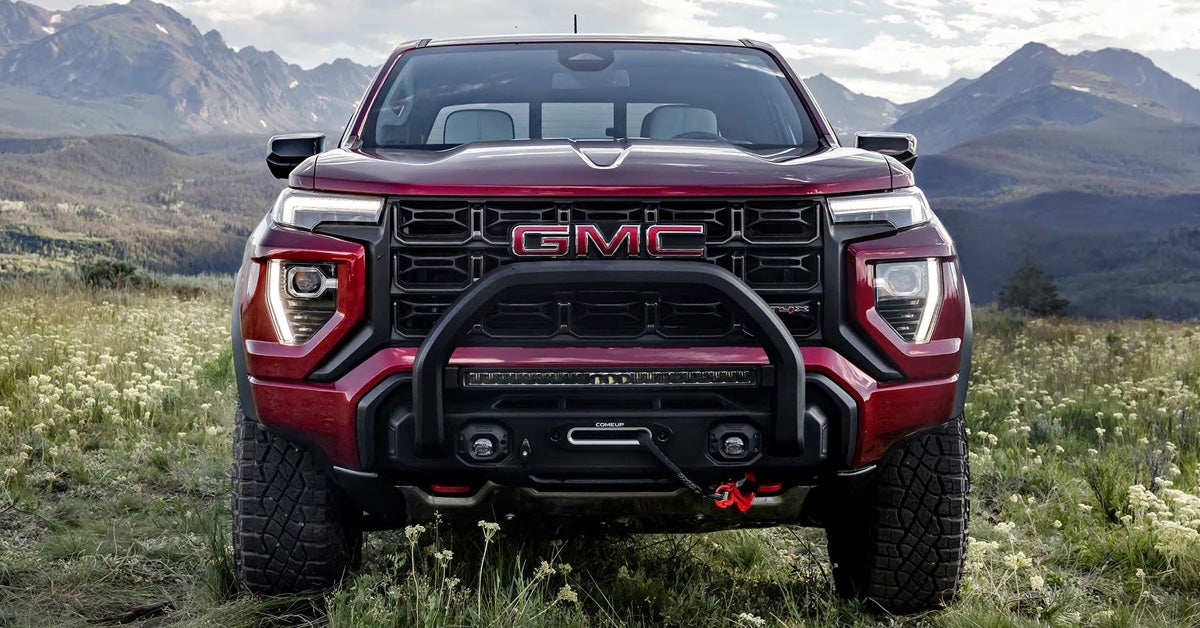
The 2026 GMC Canyon gives buyers more than just four trim levels to compare. Alongside Elevation, AT4, AT4X, and Denali, available package options like Technology Plus, AT4 Premium, Nightfall, and the AT4X AEV Edition can significantly change how the Canyon is equipped for daily driving, off-road use, or added comfort. At Joe Ball GMC, we’re here to help drivers explore the GMC Canyon with support that extends well beyond the showroom floor, including sales, service, parts, and conversational guidance on our financing options. Whether you're comparing trims in person or narrowing down your next truck from home, we invite drivers from Pittsburgh, Munhall, and Homestead to visit Joe Ball GMC or contact our team today. Explore The New Canyon Get Directions Contact Us What Are the 2026 GMC Canyon Trim Levels? The Canyon lineup is straightforward, but the personality of each trim changes meaningfully depending on what you want from your truck. The 2026 GMC Canyon is offered in four trim levels: Elevation, AT4, AT4X, and Denali, each with its own pricing position and intended use. Elevation (Starting MSRP: $38,900) The Elevation serves as the foundation of the Canyon lineup, offering core truck functionality with trailering tools and driver-focused technology. For buyers who want midsize truck capability without stepping immediately into specialty off-road or premium territory, this is the natural starting point. AT4 (Starting MSRP: $45,500) Move into the AT4, and the Canyon shifts toward off-road utility. With hardware built for rougher terrain, this trim makes sense for drivers who expect more adventure-focused capability while staying below the highest pricing tiers. AT4X (Starting MSRP: $57,300) AT4X takes that formula much further. With specialized equipment like Multimatic DSSV dampers, front and rear electronic locking differentials, Baja drive mode, and underbody camera views, this trim is clearly aimed at buyers prioritizing serious off-road performance. Denali (Starting MSRP: $53,300) Denali takes a different route. Rather than pushing deeper into trail-focused specialization, it emphasizes premium appointments like perforated leather-appointed seating, open-pore wood trim, Bose audio, and a Head-Up Display. Among the available 2026 GMC Canyon packages, some trims also open the door to additional capability, styling, or technology-focused upgrades depending on configuration. How Does the 2026 GMC Canyon Trim Comparison Change From One Model to the Next? Looking at the 2026 GMC Canyon trim levels side by side, the biggest difference is how each model shifts the truck’s purpose rather than simply adding more equipment. The move from Elevation to AT4 changes the Canyon’s focus toward more dedicated off-road functionality, including hardware like a two-speed Autotrac transfer case, Advanced Hill Descent Control, and an automatic locking rear differential. Step from AT4 to AT4X, and the upgrades become far more specialized. The AT4 is built for capable off-road use. AT4X is engineered for buyers who want features like launch control, rocker protectors, and terrain-specific enhancements that go beyond general trail driving. The Denali comparison is different. Rather than competing with the AT4X on extreme off-road specialization, it takes the Canyon in a more refined direction with exclusive interior materials, standard wireless charging, and upscale design distinctions. Not every jump between trims is about doing more. Sometimes it is about doing something different. Which 2026 GMC Canyon Packages Add the Most Value? Value depends on what you expect your Canyon to do. In a 2026 GMC Canyon trim comparison, some packages expand capability, others sharpen comfort, and some simply change the truck’s visual personality. For buyers who prioritize convenience and connected functionality, the available Technology Plus Package adds another consideration depending on trim configuration. That makes package selection about more than appearance or off-road upgrades alone. The AT4 Premium Package takes a comfort-focused approach, adding leather-appointed front seating surfaces for buyers who want a more refined cabin feel without stepping into a different trim altogether. The AT4X AEV Edition is built with a very different purpose. With AEV hot-stamped boron steel skid plates, stamped steel bumpers, 35-inch Goodyear Wrangler Territory MT tires, front winch capability, and a bed-mounted spare tire carrier, it is clearly aimed at serious off-road use. The Nightfall Edition and Nightfall Essentials Package focus on styling, with black badging, dark wheel treatments, and appearance-focused exterior upgrades. The right package depends less on what looks best on paper and more on how the truck will actually be used. What Technology Features Define the 2026 GMC Canyon Lineup? For many truck shoppers, technology is not just a bonus feature; it is part of the ownership experience. The Canyon lineup blends infotainment, trailering support, driver assistance, and available package upgrades that can meaningfully change how the truck feels day to day. Driver Information & Infotainment Core technology features across the Canyon lineup include: 11.3-inch GMC Infotainment System Google built-in compatibility Voice-activated functionality Wireless Apple CarPlay compatibility Wireless Android Auto compatibility 11.0-inch Driver Information Center These features keep navigation, communication, and vehicle information within easy reach. Visibility & Camera Technology Available visibility-focused technology includes: HD Rear Vision Camera with Hitch View HD Surround Vision Up to 10 available camera views Available underbody camera views on select trims For drivers towing equipment or navigating tighter terrain, these tools can make a noticeable difference. Available Technology Upgrades Depending on configuration, buyers may also find the available Technology Plus Package as part of their decision-making process, adding another layer to how the Canyon can be equipped. Additional available technology includes: Canyon Pro Safety Canyon Safety Plus Available Head-Up Display Available OnStar functionality Available remote commands Automatic Crash Response Which 2026 GMC Canyon Trim Fits Your Driving Priorities Best? Choosing the right Canyon starts with how you actually plan to use it, not simply which trim sits highest in the lineup. If your truck life revolves around everyday hauling, commuting, and practical utility, Elevation makes the most sense as the straightforward starting point. If weekend plans regularly involve dirt, uneven trails, or towing gear into less forgiving terrain, the AT4 becomes the more logical fit thanks to its purpose-built off-road hardware. AT4X is for a narrower buyer. This trim makes sense if off-road capability is the priority rather than occasional recreation. Features like specialized trail equipment make it the more focused choice. Denali fits a different kind of driver, someone who wants Canyon utility paired with a more premium cabin experience. For tech-focused shoppers searching for a 2026 GMC Canyon technology package, the better question is which trim aligns with the features you actually use most, whether that means driver information tools, connected services, or expanded visibility systems. The best trim is the one that matches your routine, not someone else’s checklist. What comes with the 2026 GMC Canyon Technology Package? The 2026 GMC Canyon offers an available Technology Plus Package on certain configurations. Package contents vary by trim, so included features depend on the specific Canyon model selected. What comes with the 2026 GMC Canyon Premium Package? The AT4 Premium Package includes leather-appointed front seating surfaces and is available for the Canyon AT4. What comes with the 2026 GMC Canyon Nightfall Package? The Nightfall Edition includes rocker protectors, 20-inch machine-faced aluminum wheels with dark pockets, an accessory bed-mounted sports bar, black AT4 accessory badges, and black GMC accessory emblems. The Nightfall Essentials Package includes the wheel treatment plus dealer-installed black badging. What are the trim options for the 2026 GMC Canyon? The 2026 GMC Canyon is available in four trim levels: Elevation, AT4, AT4X, and Denali. Each trim emphasizes a different mix of utility, off-road capability, or premium comfort. Explore the GMC Canyon and More at Joe Ball GMC Choosing the right GMC Canyon often comes down to the details. For some drivers, that means comparing trims and available packages. For others, it means understanding how everyday ownership features, towing tools, or connected technology fit into the bigger picture. Whether you're shopping for a Canyon or exploring other GMC vehicles, Joe Ball GMC is here to support drivers from Pittsburgh, Munhall, and Homestead with vehicle sales, service, parts, and financing guidance. If you're continuing your GMC research, you may also find helpful information in topics like Sierra Transparent Trailer View, troubleshooting a stuck ignition key, or understanding common GMC air-conditioning concerns. If you're ready to compare available models, ask questions about trim and package availability, or continue exploring your options, contact Joe Ball GMC today, visit us, or browse our wider vehicle selection online. Get Directions to Joe Ball GMC Disclaimer: All information is provided for general informational and entertainment purposes only. While we strive for accuracy, we cannot guarantee that all content is complete, current, or error-free. Any reliance you place on such information is strictly at your own risk. This article may include opinions and is not endorsed by, or officially affiliated with, any vehicle manufacturer or brand. Always consult official sources – such as the vehicle’s owner’s manual, authorized dealerships, or certified professionals – for the most up-to-date and personalized information.

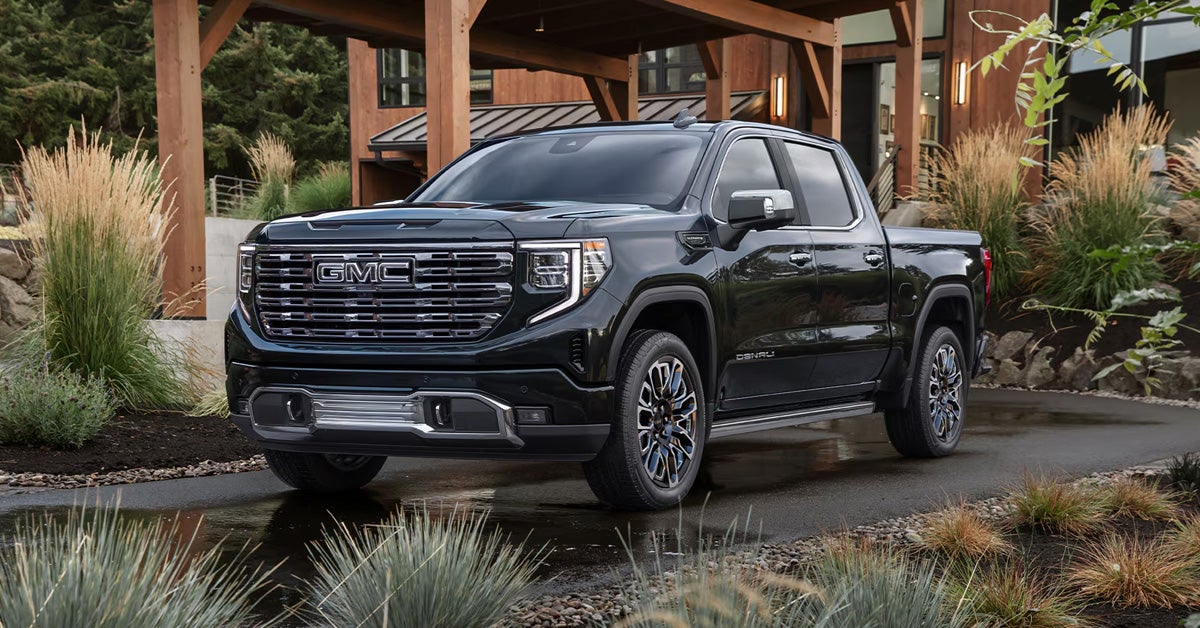
A parked black 2026 Sierra 1500

5 Signs Your GMC's Needs Its Wheel Aligned [2026]

Wheel alignment problems often reveal themselves through a few clear warning signs, including a vehicle that pulls to one side, a crooked steering wheel, uneven tire wear, reduced handling stability, and alignment issues that appear after hitting a pothole or curb. Recognizing these signs your car needs an alignment early can help protect your tires, improve driving comfort, and keep your GMC Sierra 1500, Canyon, or Terrain tracking straight on the road. At Joe Ball GMC, we're here to support drivers through every stage of vehicle ownership, from finding the right GMC and exploring financing options to ordering genuine parts and caring for your vehicle over time. Whether you're shopping for your next GMC or looking for support with your current one, our team is ready to assist. Contact us or visit Joe Ball GMC today to learn more about keeping your GMC performing at its best. Explore New GMC Get Directions Contact Us Sign 1: Is Your GMC Pulling to One Side While Driving? One of the most noticeable signs you need a wheel alignment is when your GMC consistently drifts to the left or right while you're trying to drive straight. Instead of maintaining its path with minimal steering input, the vehicle may require frequent corrections to stay centered in the lane. This can become especially noticeable during longer drives or on roads where you would normally expect the vehicle to track straight. For example, imagine driving your GMC Canyon down a familiar stretch of road. You briefly relax your grip on the steering wheel and notice the truck gradually moving toward one side of the lane. If this happens repeatedly under similar driving conditions, it may point to an alignment issue rather than a one-time road condition. A vehicle that pulls to one side can make driving feel less natural and may be one of the earliest warning signs that the wheels are no longer aligned as intended. Sign 2: Is Your Steering Wheel Crooked When Driving Straight? A steering wheel that sits off-center while you're driving in a straight line can be one of the more subtle signs of bad alignment. Everything may seem normal at first, but over time you may notice that the wheel needs to be held slightly to the left or right to keep the vehicle moving where you want it to go. Consider a GMC Terrain traveling down a straight roadway. The vehicle continues forward without obvious pulling, yet the steering wheel is noticeably tilted instead of resting in its centered position. That mismatch can indicate that the wheels and steering components are no longer aligned properly. Unlike some alignment symptoms that develop gradually, a crooked steering wheel is often something drivers notice every time they get behind the wheel. Because it is constantly in view, it can serve as an early clue that something has changed. Paying attention to the position of the steering wheel during normal driving can help identify alignment concerns before they become more noticeable. Sign 3: Are Your Tires Wearing Unevenly? Your tires can reveal a lot about the condition of your vehicle. When alignment is out of specification, the tires may not meet the road surface evenly, causing certain areas of the tread to wear down faster than others. This type of wear can be difficult to spot at a glance, which is why periodic tire inspections are helpful. Common patterns that may point to an alignment concern include: Excessive wear along the inner edge of the tire Excessive wear along the outer edge of the tire Feathered or uneven tread surfaces One tire wearing noticeably faster than the others For drivers of a GMC Sierra 1500, uneven tire wear can become especially frustrating because tires represent a significant maintenance expense. In many cases, addressing an alignment concern early may be far less costly than replacing tires prematurely. That is one reason why discussions about GMC wheel alignment cost often focus on the long-term value of protecting tire life, not just the service itself. If you notice unusual tread wear patterns, it may be worth taking a closer look at the vehicle's alignment. Sign 4: Does Your GMC Feel Less Stable on the Road? A properly aligned vehicle typically feels composed and predictable, while one with alignment issues can feel less settled during everyday driving. The change is not always dramatic. Sometimes it starts as a subtle feeling that the vehicle no longer responds as confidently as it once did. Consider the difference between two otherwise similar drives in a GMC Canyon. In one situation, the truck feels planted and follows your intended path smoothly through gentle curves. In the other, it may feel slightly reluctant to hold its line, requiring more attention and steering input than expected. While several factors can influence vehicle behavior, alignment is one possibility worth considering. This is also why some drivers begin researching a GMC front-end wheel alignment after noticing that the vehicle simply feels "off" without any obvious warning signs. When the driving experience becomes less predictable than usual, it can be a clue that the wheels are no longer working together as intended. Sign 5: Have You Recently Hit a Pothole, Curb, or Road Hazard? Sometimes the warning sign is not a symptom you can see or feel right away. Instead, it is an event you remember. A hard impact from a pothole, curb, or other road hazard can be enough to affect wheel alignment, even if the vehicle seems to drive normally afterward. Common situations that may lead to alignment concerns include: Striking a deep pothole Bumping a curb while parking Driving through rough construction zones Hitting road debris Encountering uneven or damaged pavement For example, a driver might hit a pothole in their GMC Terrain and continue driving without noticing any immediate changes. Days or weeks later, one of the signs your car needs an alignment may begin to appear. The connection is not always obvious because the impact and the symptom do not necessarily occur at the same time. Keeping track of recent road impacts can provide useful context when trying to determine whether an alignment issue may be developing. Why Wheel Alignment Matters for Your GMC Wheel alignment is the adjustment of your GMC's wheels so they are positioned correctly relative to each other and the road. When alignment is off, even slightly, it can affect how your vehicle tracks, responds to steering inputs, and wears its tires over time. Many of the common signs your car needs an alignment begin gradually, making them easy to miss during everyday driving. A properly aligned vehicle helps support a more consistent driving experience by keeping the wheels pointed in the intended direction. Whether you drive a GMC Sierra 1500 for work, a Terrain for daily commuting, or a Canyon for weekend adventures, alignment plays a role in how your vehicle feels behind the wheel. Some of the most common reasons alignment matters include: More predictable steering response Improved tire wear patterns Better straight-line tracking Reduced need for constant steering corrections Because alignment issues often develop over time, recognizing early warning signs can help prevent small concerns from becoming larger tire or handling problems. How Much Does a GMC Wheel Alignment Cost in 2026? The cost of a wheel alignment depends on factors such as your GMC model and the type of alignment service required. While alignment pricing can vary, Pittsburgh-area drivers may see alignment specials advertised around $100, while some GMC alignment estimates fall between roughly $160 and $240 depending on the vehicle and service needs. A GMC Sierra 1500, Canyon, and Terrain may not all require the same alignment service, which is one reason costs can differ. If you've noticed signs you need a wheel alignment, addressing the issue early may help prevent uneven tire wear and other related concerns. For current alignment pricing and recommendations for your specific GMC, contact our service team for an estimate. How much does a wheel alignment cost? Wheel alignment costs can vary based on factors such as your GMC model and the type of alignment needed. Contact our service team for current pricing and an estimate tailored to your specific vehicle. What causes a misaligned wheel? Wheel alignment can be affected by impacts from potholes, curbs, road debris, rough pavement, and construction zones. Alignment issues may also develop gradually over time as vehicle components experience normal wear. What are the signs my GMC needs its wheels aligned? Common signs include the vehicle pulling to one side while driving, a crooked steering wheel when traveling straight, uneven tire wear, reduced stability on the road, and alignment concerns that appear after hitting a pothole or curb. What happens if I drive with a misaligned wheel? A misaligned vehicle may experience uneven tire wear, reduced driving stability, and changes in steering feel. If left unaddressed, alignment issues can contribute to premature tire replacement. Get a Wheel Alignment Estimate and Find Your Next Ride at Joe Ball GMC Wheel alignment issues often start small. A slight pull while driving, an off-center steering wheel, or unusual tire wear may not seem urgent at first, but recognizing these warning signs early can help you maintain a more confident driving experience. Talk to us for a wheel alignment estimate. Drivers throughout Pittsburgh, Munhall, and Homestead can explore a wide selection of GMC vehicles at Joe Ball GMC, including the Sierra 1500, Canyon, and Terrain. Whether you're searching for a capable truck or a versatile SUV, our inventory offers options for a variety of driving needs. Looking for more GMC ownership tips? Explore resources covering Canyon trim options, stuck ignition keys, and Sierra A/C issues to learn more about vehicle features, maintenance concerns, and model comparisons. You can also browse our service center, parts department, and financing options for additional resources related to GMC ownership. When you're ready to take the next step, browse our inventory, visit us, or contact the Joe Ball GMC team for additional assistance. Get Directions to Joe Ball GMC Disclaimer: All information is provided for general informational and entertainment purposes only. While we strive for accuracy, we cannot guarantee that all content is complete, current, or error-free. Any reliance you place on such information is strictly at your own risk. This article may include opinions and is not endorsed by, or officially affiliated with, any vehicle manufacturer or brand. Always consult official sources – such as the vehicle’s owner’s manual, authorized dealerships, or certified professionals – for the most up-to-date and personalized information.

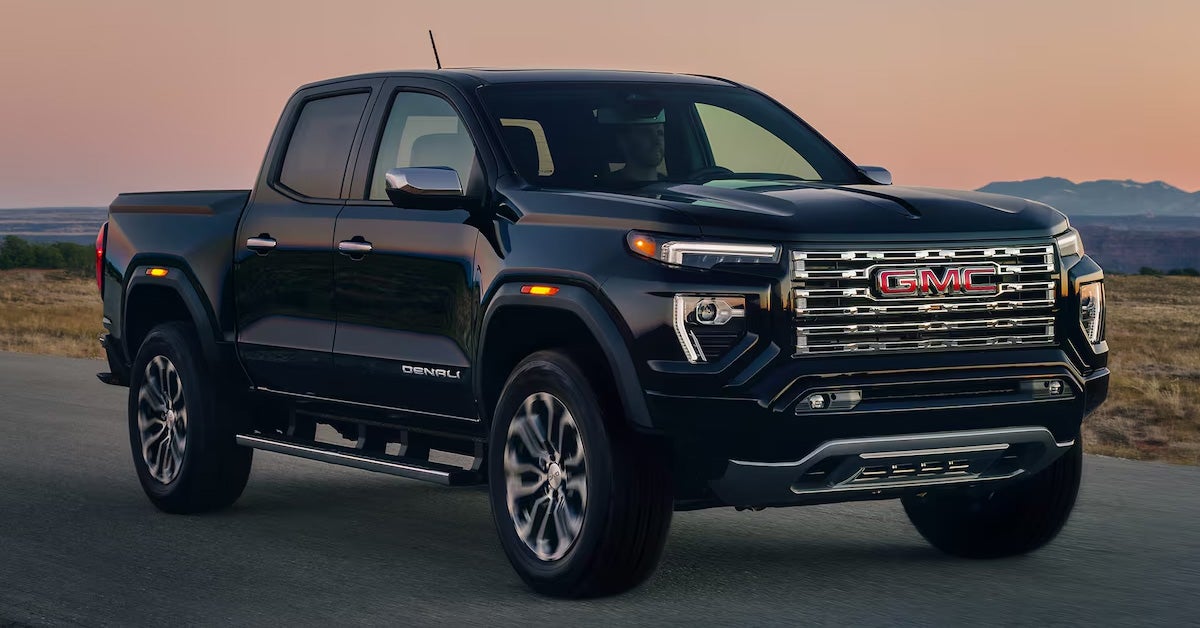
Parked black 2026 GMC Canyon

How to Remove a Key Stuck in Your GMC’s Ignition

A GMC key stuck in the ignition can often be resolved by checking that the vehicle is fully in park, relieving tension on the steering wheel, and ensuring the battery has enough power to support ignition release systems. Simple, careful steps can help free the key without causing damage, whether you are dealing with a GMC Canyon key stuck in the ignition or a situation where a car key stuck in the ignition with a dead battery is preventing release. Understanding these basics gives you a clear, safe path to remove the key and get back on the road. At Joe Ball GMC, we are here to support you through every step of vehicle ownership, from diagnosing issues like a GMC key stuck in the ignition to helping you find your next GMC Canyon. Our team can assist with service, parts, and flexible financing options designed to fit your needs. Visit our dealership or contact us today to get expert help and keep your vehicle running the way it should. Explore The New Canyon Get Directions Contact Us What Should You Do First When Your GMC Key Won’t Come Out? A GMC key stuck in the ignition can catch you off guard, whether you are parked in your driveway or trying to leave a crowded area in Pittsburgh, Munhall, or Homestead. It is a frustrating but fairly common issue, especially for drivers dealing with a key getting stuck in ignition of a GMC Canyon. The good news is that most situations can be handled with a few simple checks before anything more serious is needed. Start with the basics and stay calm. Small adjustments often make the difference: Make sure the vehicle is fully shifted into Park Gently turn the steering wheel to release tension Check that the key is in the correct position before removing it In vehicles like the Canyon, everyday driving habits and small mechanical factors can influence how the ignition behaves. Taking a moment to go through these quick steps is often the safest way to begin when figuring out how to remove a key stuck in the ignition. Why Is Your GMC Key Getting Stuck in the Ignition? When a GMC key stuck in ignition issue happens, it is usually tied to a small mechanical or electrical condition rather than a major failure. In many Canyon situations, the cause is something simple that prevents the ignition from recognizing it is safe to release the key. A few common factors to consider include: Gear position: If the vehicle is not fully in Park, even by a small margin, the key may stay locked in place Steering wheel tension: Pressure on the wheel can bind the ignition cylinder and make removal difficult Battery condition: In cases involving a car key stuck in the ignition, a dead battery scenario, limited power may interfere with systems connected to the ignition release Modern vehicles like the Canyon include Keyless Entry and Start (standard), which means electronic systems can also play a role in how the ignition behaves. In some cases, more than one of these factors can overlap, making the issue feel inconsistent or harder to pinpoint at first. How Can You Safely Remove a Key Stuck in Your GMC’s Ignition? If you are figuring out how to remove a key stuck in the ignition, the goal is to work slowly and avoid forcing anything. A careful, step-by-step approach is especially helpful in vehicles like the Canyon, where both mechanical and electronic factors may be involved. Follow these steps: Confirm the vehicle is fully in Park Even a slight misalignment can keep the key locked. Firmly shift into Park and try again Gently turn the steering wheel Move it left and right while lightly turning the key; this can relieve pressure inside the ignition Cycle the ignition position Turn the key slightly forward and back, then attempt removal once it is fully in the correct position Inspect the key itself Look for visible wear or bending that could prevent a smooth release Keep movements gentle and controlled. Forcing the key can lead to damage that may be required. Can a Dead Battery Cause Your Car Key to Get Stuck in the Ignition? A car key stuck in the ignition, a dead battery situation can happen when the vehicle does not have enough power to complete the systems that allow the key to release. In a Canyon, electrical components are tied closely to ignition behavior, so a weak or drained battery can interrupt that process and leave the key in place. Modern setups, including Push Button Start (standard), rely on proper electrical function. When power is low, the system may not fully register that the vehicle is in a state where the key can be removed. This can make a GMC Canyon key stuck in the ignition issue feel sudden or confusing. Here are a few safe steps to try: Check the battery condition Look for signs of a drained or unresponsive battery Restore power if possible Attempt removal after power returns Once systems reset, try removing the key again When Should You Stop Troubleshooting and Seek Professional Help? There comes a point where continuing to troubleshoot can do more harm than good. If your Canyon key refuses to come out after several careful attempts, it may be time to step back and consider a closer inspection. Watch for these signs: The key will not budge at all After multiple attempts using safe methods, there is no movement or progress The ignition feels loose or damaged Any unusual movement or resistance can point to internal wear The issue keeps coming back Repeated problems, including cases similar to a car key stuck in the ignition or a dead battery scenario, may signal a deeper electrical or mechanical concern Picture being stuck in a parking lot in Pittsburgh or running errands through Munhall or Homestead, only for the problem to return again. That kind of pattern often means the issue is not temporary. Avoid forcing the key at this stage. Persistent problems may require a proper inspection to prevent further damage. How Can You Prevent a GMC Key from Getting Stuck Again? Preventing a key from getting stuck in the ignition of a GMC Canyon often comes down to small, consistent habits. With a Canyon, everyday driving routines can influence how smoothly the ignition system responds over time. A few simple practices can help reduce the chances of running into the issue again: Always shift fully into Park Take an extra second to confirm the gear is fully engaged before turning off the vehicle Avoid forcing the key If something feels off, pause and adjust instead of applying pressure Keep the battery in good condition Stable power supports systems connected to ignition behavior Stay aware of changes If the key feels tighter than usual or requires extra effort, it may be an early sign to address Think of it as part of your regular driving rhythm. Small adjustments today can help keep your Canyon running smoothly and avoid unexpected interruptions later. What are the possible causes of a key getting stuck in the ignition? A key getting stuck in the ignition can be caused by the vehicle not being fully in Park, steering wheel tension, or battery-related issues that affect ignition release systems. How do I remove the key stuck in the ignition while my battery is dead? To remove a key stuck in the ignition during a car key stuck in ignition battery dead situation, check the battery condition, restore power if possible, and attempt removal once electrical systems reset. How much does it cost to fix a key that gets stuck in the ignition? Fixing a key stuck in the ignition can cost around $100 to $500, depending on the service needed. Is it safe to force a stuck key in the ignition? No, forcing a stuck key is not safe and can cause damage to the ignition components, leading to further repairs. Stay Prepared on the Road with Expert Support from Joe Ball GMC Dealing with a stuck key can turn a normal day into a frustrating delay, especially when you are on a tight schedule around Pittsburgh, Munhall, or Homestead. The right approach starts with simple checks, knowing when to pause, and understanding when the issue may need a closer look. Small habits and awareness can go a long way in keeping your Canyon running smoothly and avoiding repeat problems. If you found this helpful, there is more to discover about getting the most out of your vehicle. Learn more about AC troubleshooting guide, get familiar with trailer view setup, or take a closer look at Super Cruise basics to better understand how your GMC works day to day. These quick reads can help you stay prepared for both common issues and advanced features. At Joe Ball GMC, we are proud to serve drivers throughout Pittsburgh, Munhall, and Homestead with a wide selection of vehicles, including the Canyon. Whether you are troubleshooting a concern or planning your next upgrade, our team is here to help with service, parts, and flexible financing options tailored to your needs. Visit our dealership or contact us today to experience support that keeps you moving forward with confidence. Get Directions to Joe Ball GMC Disclaimer: All information is provided for general informational and entertainment purposes only. While we strive for accuracy, we cannot guarantee that all content is complete, current, or error-free. Any reliance you place on such information is strictly at your own risk. This article may include opinions and is not endorsed by, or officially affiliated with, any vehicle manufacturer or brand. Always consult official sources – such as the vehicle’s owner’s manual, authorized dealerships, or certified professionals – for the most up-to-date and personalized information.