



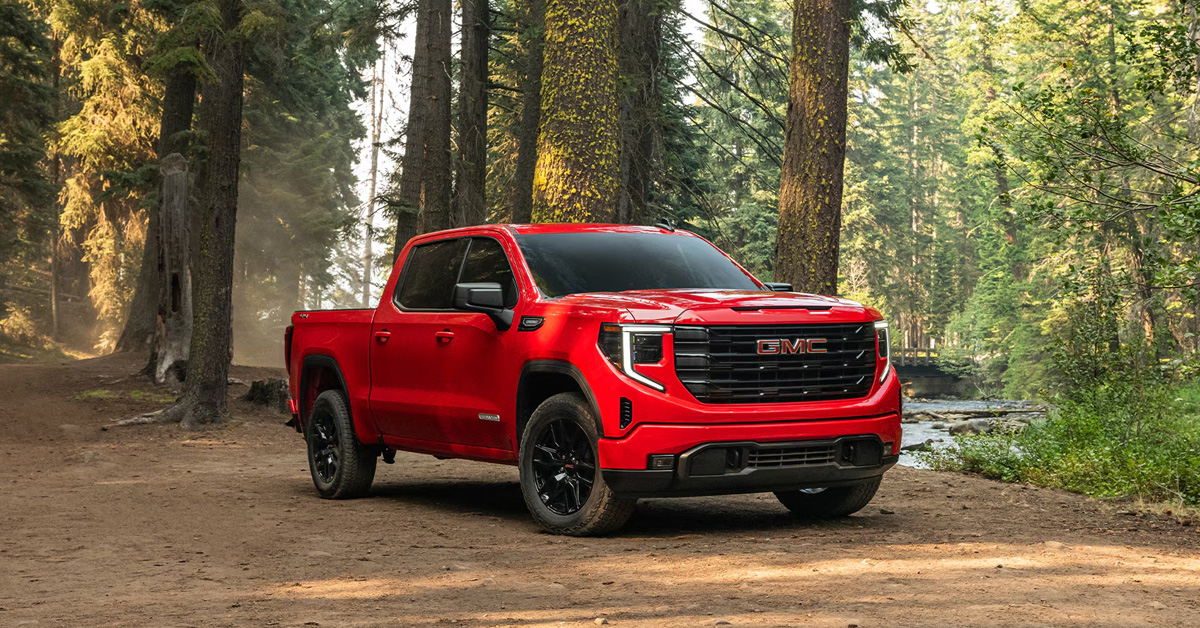
A GMC Sierra air conditioning system that is not working is most commonly caused by a refrigerant leak, a failed AC compressor, or a faulty blend door actuator. Electrical issues such as blown fuses or relays, along with a malfunctioning radiator fan, can also prevent your GMC Sierra from blowing cold air. Identifying the exact cause early is key because solutions can range from a simple recharge to more involved repairs like compressor replacement.
At Joe Ball GMC, our team is here to help keep your GMC Sierra 1500 running at its best with expert service, parts support, flexible financing options, and knowledgeable guidance every step of the way. With ASE-certified technicians, extensive GM experience, and convenient scheduling options, we are equipped to handle everything from quick diagnostics to major AC repairs. Contact us today or stop by to get your air conditioning system checked and restored to proper working condition, or browse our available vehicle inventory to explore options that fit your needs.
Why Is Your GMC Sierra AC Not Blowing Cold Air?
When your Sierra 1500 starts pushing warm air on a hot day, it is usually a sign that something in the cooling process is not functioning as it should. GMC Sierra air conditioning problems often begin subtly, then quickly become impossible to ignore, especially during daily drives or long commutes.
Instead of guessing, it helps to understand what the system is trying to do. Your AC relies on pressure, airflow, and temperature control working together. When one part falls out of sync, cooling performance drops.
Here are a few common scenarios drivers experience:
- Weak airflow that never gets cold
This often points to low refrigerant levels or a system imbalance. - Air that starts cold, then turns warm
This can happen when components struggle to maintain pressure or consistency. - Uneven cooling inside the cabin
One side may feel cooler than the other, signaling airflow or internal control issues. - AC shuts off during longer drives
This may be tied to overheating or system protection behavior.
Catching these signs early can help prevent more expensive repairs later. If your Sierra 1500 is no longer keeping you comfortable, having it inspected by a trained technician can quickly narrow down the cause and get your AC system working properly again.
What Are the Most Common GMC Sierra Air Conditioning Problems?
When a GMC Sierra air conditioning not working issue shows up, it is usually tied to a handful of known problem areas. Each one affects the system differently, which is why proper diagnosis matters before any repair is made.
Here are the most common causes found in a Sierra 1500:
- Refrigerant leaks
The system may lose Freon over time, often due to leaks in components like the condenser. Some cases point to specific weak spots, such as weld areas, where leaks are more likely to develop. - AC compressor failure
The compressor is responsible for circulating refrigerant. If it fails or does not engage, the entire cooling process stops. - Blend door actuator malfunction
This small component controls how air is directed and mixed inside the cabin. When it fails, temperature control becomes inconsistent or incorrect. - Electrical system faults
Blown fuses or faulty relays can interrupt power to the AC system, preventing it from operating at all. - Radiator fan issues
A malfunctioning fan can cause overheating, which may force the system to reduce or stop cooling.
Each of these problems requires a different fix, so identifying the exact cause is the first step. If your Sierra 1500 is showing signs of AC trouble, scheduling a professional inspection can save time and prevent unnecessary repairs.
How Can You Tell If Your GMC Sierra Has a Refrigerant Leak?
A refrigerant leak is one of the most common reasons a Sierra 1500 loses cooling performance, but it is not always obvious at first. Unlike a sudden failure, leaks tend to develop gradually, which can make the issue easy to overlook until the air is no longer cold.
Signs to Watch For
If you are trying to figure out how to fix AC in GMC Sierra models, these symptoms often point to a leak:
- Cooling fades over time
The air may start out cold but becomes warmer over days or weeks. - AC works inconsistently
Some drives feel fine, others do not, depending on refrigerant levels. - No visible mechanical failure
The system appears to run normally, but the temperature never drops enough.
Where Leaks Commonly Occur
Certain areas are more prone to failure:
- Condenser components, especially near weld points
- Hoses or connection points within the AC system
How Leaks Are Confirmed
Technicians typically rely on:
- UV dye testing to trace escaping refrigerant
- Pressure gauges to measure system levels
Because leaks do not fix themselves, delaying service often leads to larger repairs. If your Sierra 1500 shows these patterns, a proper inspection can pinpoint the source and help restore consistent cooling.
What Happens When the AC Compressor or Electrical System Fails?
Some GMC Sierra AC problems are not gradual; they happen all at once. When the compressor or electrical system fails, your Sierra 1500 can go from cool air to none at all in a single drive.
When the AC Compressor Stops Working
The compressor is responsible for circulating refrigerant through the system. When it fails, cooling cannot happen.
Common signs include:
- No cold air at any setting
The system runs, but the temperature never drops. - Compressor not engaging
The pulley may not spin when the AC is turned on. - Sudden loss of cooling
Unlike leaks, this issue often appears without warning.
When Electrical Components Cause the Issue
Electrical faults can shut the system down even if mechanical parts are still functional.
Key areas to check:
- Blown fuses
A failed fuse can disable the compressor entirely. - Faulty relays
These control power delivery and can interrupt operation. - Multiple fuse locations
Both under-hood and dashboard fuse boxes may be involved.
These types of failures can be tricky to confirm without proper tools. If your Sierra 1500 loses AC performance suddenly, a professional diagnosis can quickly determine whether the issue is mechanical or electrical and prevent unnecessary part replacements.
Could a Blend Door Actuator or Radiator Fan Be the Problem?
Not all cooling issues come from major components. In some cases, smaller parts like the blend door actuator or radiator fan are the reason a GMC Sierra AC not blowing cold becomes noticeable during everyday driving.
Blend Door Actuator Issues
The blend door actuator controls how air is directed and mixed inside the cabin. When it fails, the system may struggle to deliver consistent temperatures.
Watch for these signs:
- Different temperatures from the left and right vents
One side may blow warm air while the other stays cool. - Clicking sounds behind the dashboard
This can indicate the actuator is stuck or not moving properly. - Airflow feels normal, but temperature control is off
The system runs but cannot adjust as expected.
Radiator Fan Problems
The radiator fan plays a supporting role in keeping temperatures stable. When it stops working correctly, it can affect AC performance.
Common indicators include:
- AC performance drops during longer drives
- Engine temperature rises alongside reduced cooling
These issues can be easy to misdiagnose because the system still appears to function. If your Sierra 1500 shows these symptoms, a proper inspection can isolate the exact cause and prevent unnecessary part replacements.
How Can You Troubleshoot GMC Sierra AC Problems at Home?
Before scheduling a service visit, there are a few basic checks you can do at home to better understand GMC Sierra air conditioning problems. These steps are not meant to replace professional diagnostics, but they can help you narrow down what might be going wrong in your Sierra 1500.
Simple Checks You Can Start With
- Inspect the fuses and relays
Look through both the under-hood and dashboard fuse boxes. A blown fuse can stop the AC system from functioning entirely. - Check refrigerant pressure
Using a pressure gauge can help determine if levels are too low. Low pressure often points to a leak somewhere in the system. - Listen for unusual sounds
Clicking behind the dashboard may indicate an internal airflow control issue. - Look for visible signs of leaks
Moisture or residue around AC components can suggest refrigerant loss.
When to Stop and Seek Help
If these checks do not clearly identify the issue, it is best not to guess. Modern AC systems rely on precise measurements and specialized tools.
Taking a few minutes to inspect your Sierra 1500 can save time, but a trained technician can confirm the root cause and prevent unnecessary repairs.
How Much Does It Cost to Fix GMC Sierra AC Problems?
Repair costs can vary widely depending on what is causing your GMC Sierra air conditioning not working issue. Some fixes are relatively quick, while others involve major components and higher labor time.
Typical AC Repair Cost Ranges
Here is a general breakdown for a Sierra 1500:
- AC recharge or service: $200 to $300
Often needed when refrigerant levels are low - General AC repairs: $400 to $450
Covers smaller fixes or part replacements - AC compressor replacement: $1,500 to $1,700
One of the more expensive repairs due to parts and labor
Note: These estimates include parts and labor but do not include taxes.
What Affects the Final Cost?
Several factors can influence how much you will actually pay:
- Type of problem
A simple leak is very different from a full compressor failure - Vehicle age
Older vehicles may require more extensive repairs - Warranty coverage
Some repairs may be covered under a 5-year or 60,000-mile warranty, if applicable
Understanding these ranges helps set expectations, but an accurate diagnosis is key. If your Sierra 1500 is not cooling properly, a professional inspection can pinpoint the issue and give you a clear estimate before any work begins.
Where Can You Get Your GMC Sierra AC Fixed Near You?
When you are figuring out how to fix the AC in GMC Sierra models, choosing the right service team makes a real difference. A proper repair is not just about replacing parts; it is about accurate diagnosis and efficient turnaround so you can get back on the road without delays.
At Joe Ball GMC, the service team brings together decades of hands-on experience working with both domestic and foreign vehicles, including the Sierra 1500. Their technicians, advisors, and parts specialists are ASE-certified and supported by extensive GM knowledge, which helps ensure issues are identified correctly the first time.
What You Can Expect
- Experienced professionals
Over 275 years of combined automotive experience in the shop - Strong warranty support
A Warranty Administrator with over 31 years of GM experience - Fast turnaround times
Same-day parts availability in most cases - Convenience built in
Shuttle service, loaner vehicles, and a comfortable lounge with WiFi - Flexible scheduling
Open six days a week, with extended hours on Tuesdays
Whether your AC issue is minor or more complex, having a trusted team handle it can save time and frustration. Contact Joe Ball GMC to schedule your service and get your Sierra 1500 cooling properly again.
Why is my AC not blowing cold air in my GMC Sierra?
A GMC Sierra AC not blowing cold air is most commonly caused by a refrigerant leak, a failed AC compressor, a faulty blend door actuator, blown fuses or relays, or a malfunctioning radiator fan.
How do you reset the AC on a GMC Sierra?
Resetting the AC on a GMC Sierra usually means letting the system recalibrate itself. One common way is to remove the HVAC fuse for about 1 to 2 minutes, then start the engine and let it run for a few minutes without touching any controls so the system can reset. Another method is to hold certain buttons, like auto and power, or briefly disconnect the battery, to restart the system.
How much does an AC repair service cost in a GMC Sierra 1500?
AC repair services for a GMC Sierra 1500 typically range from $200 to $1,700, depending on the issue, with AC recharge costing about $200 to $300, general repairs $400 to $450, and compressor replacement $1,500 to $1,700. Note: These estimates include parts and labor but do not include taxes.
What are the things to check if my GMC truck’s AC is not working properly?
You should check for refrigerant leaks, inspect AC fuses and relays, measure refrigerant pressure with a gauge, listen for clicking noises from the blend door actuator, and look for radiator fan issues that may affect cooling performance.
Get Expert Help for Your GMC Sierra AC Today
If your Sierra 1500 is not keeping you cool, getting it checked early can prevent bigger repairs down the road. At Joe Ball GMC, our experienced team is ready to diagnose the issue and get your AC system working properly again. We proudly serve drivers in Pittsburgh, Munhall, and Homestead, and we are here to support all your service, parts, and vehicle needs.
While you are here, continue exploring helpful tips and features for your truck, including the Transparent Trailer View guide, Super Cruise explained, and key fob troubleshooting. If you are also considering your next vehicle, browse our selection, including the Sierra 1500, and find the right fit for your daily drive. Visit Joe Ball GMC today or contact us to schedule service or learn more.
Get Directions to Joe Ball GMC
Disclaimer: All information is provided for general informational and entertainment purposes only. While we strive for accuracy, we cannot guarantee that all content is complete, current, or error-free. Any reliance you place on such information is strictly at your own risk. This article may include opinions and is not endorsed by, or officially affiliated with, any vehicle manufacturer or brand. Always consult official sources – such as the vehicle’s owner’s manual, authorized dealerships, or certified professionals – for the most up-to-date and personalized information.
Connect with us
