



Blog

How to Use "Transparent Trailer View" on Your Sierra 1500 [2026]

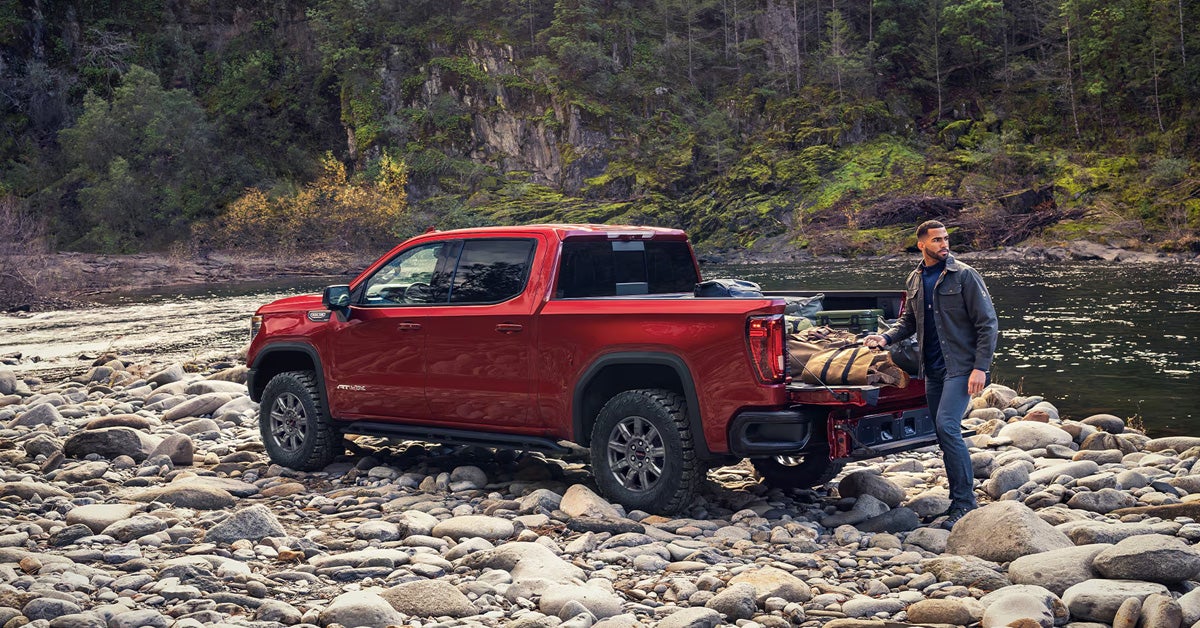
A man loading the bed of a red 2026 GMC Sierra 1500

Transparent Trailer View on the 2026 GMC Sierra 1500 allows drivers to see a clear, unobstructed view behind a compatible trailer by combining the tailgate camera with an accessory rear trailer camera. With the proper equipment, accurate measurements, and a quick calibration process through the GMC Trailering App, this feature enhances forward visibility while towing and helps drivers stay more confident on the road. Understanding how to set up, calibrate, and activate Transparent Trailer View ensures the Sierra 1500 delivers its full trailering capability when it matters most.

At Joe Ball GMC, we are here to help you make the most of advanced features like Transparent Trailer View on your Sierra 1500. From expert sales guidance to certified service, genuine GMC parts, and trailering accessories, our team is ready to support all your automotive needs. Visit us or contact Joe Ball GMC today to learn more, get hands-on assistance, or schedule help with your GMC truck.

How Does Transparent Trailer View Work on the 2026 GMC Sierra 1500?

Transparent Trailer View on the 2026 GMC Sierra 1500 lets drivers see behind a trailer by blending the tailgate camera with an accessory rear trailer camera. This creates a “see-through” effect, making it easier to monitor traffic, obstacles, and road conditions while driving forward.

The system works best in everyday towing situations like changing lanes, merging onto highways, or navigating tight roads. It automatically turns off when the vehicle is shifted out of a forward gear or when another camera view is selected.

Key components include:

  • The Sierra 1500’s factory tailgate camera
  • An accessory camera mounted on the trailer
  • Image processing that aligns both views into a seamless display

Transparent Trailer View reduces blind spots and increases confidence for Sierra 1500 owners, especially during frequent towing. To see this feature in action or get help setting it up, contact the team at Joe Ball GMC for expert guidance and hands-on support.

What Equipment Is Required to Use Transparent Trailer View on a GMC Sierra 1500?

To use Transparent Trailer View on your Sierra 1500, you need the right combination of cameras, software, and trailer compatibility. 

The Sierra 1500 invisible trailer setup relies on:

  • A Sierra 1500 with the ProGrade Trailering System
  • An accessory camera mounted on the rear of your trailer
  • A compatible trailer up to 32 feet in length
  • Access to the GMC Trailering App for setup and calibration

These components work together to merge the tailgate and trailer camera feeds into a single, seamless view, making it easier to see what’s behind your trailer. Having the correct equipment ensures accurate alignment and reliable performance.

What Is the Sierra 1500 Invisible Trailer Setup Process?

Setting up Transparent Trailer View on a Sierra 1500 is easier than it might seem once you understand the key steps. The process combines proper GMC accessory trailer camera installation, trailer measurements, and in-vehicle configuration to create the “see-through” effect that makes towing safer.

Step-by-Step Setup Process

  1. Install the accessory trailer camera
    • Mount the camera on the rear of the trailer, centered horizontally and slightly above the tailgate camera
    • Connect the camera to the 7-pin or auxiliary trailer receptacle
  2. Create a trailer profile in the GMC Trailering App
    • Open the app on the Sierra 1500 infotainment screen
    • Enter trailer measurements like coupler-to-rear distance and trailer width
    • Select the Transparent Trailer option under Towing Assistance Setup
  3. Calibrate the system
    • Drive straight at speeds under 35 mph
    • The system will automatically align the cameras to merge the views
    • Repeat calibration if prompted for the best results

Why Following the Setup Steps Matters

Proper setup ensures the Sierra 1500 invisible trailer setup functions smoothly every time you tow. A misaligned camera or skipped calibration can reduce visibility and limit the effectiveness of the Transparent Trailer View.

How Do You Install the GMC Accessory Trailer Camera Correctly?

Installing the GMC accessory trailer camera correctly is a critical step in getting the Transparent Trailer View to work effectively on your Sierra 1500. A well-positioned camera ensures clear visibility behind the trailer and makes it easier to calibrate the transparent trailer GMC technology for accurate alignment.

Steps for Proper Camera Installation

  1. Position the camera
    • Mount it on the rear of the trailer, centered horizontally
    • Place the camera slightly higher than the Sierra 1500 tailgate camera to avoid obstruction
  2. Secure the camera
    • Use the provided brackets or mounts to prevent movement
    • Ensure the camera is stable even on bumpy roads
  3. Connect the camera to power
    • Plug into the 7-pin or auxiliary trailer connector near the hitch
    • Check the cable routing to avoid pinch points or interference
  4. Test the camera feed
    • Open the Sierra 1500 infotainment screen to confirm the camera is displaying properly
    • Adjust positioning if the view is misaligned before calibration

Tips for a Smooth Calibration

After installation, it’s important to calibrate the transparent trailer GMC systems properly. Drive in a straight line at speeds under 35 mph while following the on-screen prompts in the Trailering App. Accurate camera placement makes this process quicker and ensures the “invisible trailer” effect works correctly every time.

How Do You Create a Trailer Profile in the GMC Trailering App?

Creating a trailer profile in the GMC Trailering App is a key step to unlock all the features of your Sierra 1500, including 2026 Sierra 1500 towing camera views. A properly set up profile ensures the Transparent Trailer View displays accurately and that your truck recognizes the dimensions of your trailer for safer towing.

Steps to Set Up a Trailer Profile

  1. Open the Trailering App
    • Access the app through the Sierra 1500 infotainment screen
    • Make sure your truck is parked and in a forward gear for setup
  2. Add a New Trailer
    • Select “Create New Trailer” and enter a name for easy reference
    • Input essential measurements such as trailer width and coupler-to-rear distance
  3. Configure Towing Assistance
    • Choose “Transparent Trailer” under Towing Assistance Setup
    • Adjust any settings recommended by the app for your trailer type
  4. Save and Test the Profile
    • Confirm the profile is saved in the system
    • Use the camera view to check alignment and visibility before hitting the road

Why Trailer Profiles Make Towing Safer

By entering accurate measurements, the Sierra 1500 can display precise 2026 towing camera views that help reduce blind spots and improve confidence when maneuvering with a trailer. This step also makes calibration easier and ensures the Invisible Trailer Setup functions as intended.

What Measurements Are Needed During Transparent Trailer Setup?

Accurate measurements are essential when learning how to use Transparent Trailer View GMC on your Sierra 1500. Proper measurements ensure the system aligns the tailgate and trailer camera feeds correctly, giving a true “see-through” view behind your trailer. Without precise input, the invisible trailer effect can appear distorted or misaligned, which reduces the benefit of this advanced towing feature.

Key Measurements to Enter

When setting up Transparent Trailer View, focus on these critical dimensions:

  • Trailer width – Measure the widest part of the trailer to ensure full coverage
  • Coupler-to-rear distance – The length from the hitch to the back of the trailer
  • Trailer height – Optional for some setups, helps the system align vertical angles
  • Camera placement – Distance and height relative to the Sierra 1500 tailgate camera

Tips for Accurate Measurement

  • Use a tape measure on a flat surface for the most precise results
  • Double-check each measurement before entering it into the GMC Trailering App
  • Mark the camera position clearly to avoid shifts that could affect alignment

Taking the time to measure accurately makes the Sierra 1500’s Transparent Trailer View more reliable, helping you tow with confidence and clarity every time.

How Do You Calibrate Transparent Trailer View on a GMC Sierra 1500?

Calibrating Transparent Trailer View is a key step in the Sierra 1500 invisible trailer setup, ensuring that the tailgate and trailer cameras align perfectly to create the “see-through” effect. Proper calibration makes towing safer and gives drivers a clearer view of what is behind the trailer while moving forward.

Steps to Calibrate Transparent Trailer View

  1. Prepare your trailer
    • Make sure the GMC accessory trailer camera is installed and connected
    • Confirm the trailer profile is set up in the Trailering App
  2. Drive in a straight line
    • Keep speeds under 35 mph on a flat, open surface
    • The system uses this movement to automatically align the camera feeds
  3. Monitor on-screen prompts
    • Follow any instructions the infotainment screen displays
    • If the system requests a repeat calibration, perform another straight-line pass
  4. Test the view
    • Shift through forward gears and verify that the “invisible trailer” effect is smooth
    • Adjust trailer or camera placement if the view appears misaligned

Why Calibration Matters

Even with correct installation, skipping calibration can result in a distorted or partially obstructed view. Accurate calibration ensures that the Sierra 1500 invisible trailer setup functions reliably, giving drivers confidence during lane changes, turns, and highway towing.

How Do You Activate Transparent Trailer View on a GMC Sierra 1500?

Once the GMC accessory trailer camera is installed and the Sierra 1500 invisible trailer setup is complete, activating Transparent Trailer View is simple and intuitive. This feature allows drivers to see behind the trailer in real time, improving visibility and confidence while towing.

Steps to Activate Transparent Trailer View

  1. Access the Camera App
    • Open the infotainment screen on your Sierra 1500
    • Select the Camera App from the main menu
  2. Choose the Transparent Trailer View
    • Tap the Transparent Trailer icon at the bottom of the display
    • The system merges the tailgate camera and trailer camera feeds for a seamless view
  3. Confirm the View
    • Make sure the trailer appears correctly aligned on the screen
    • Check that all obstacles behind the trailer are visible before moving forward

Tips for a Smooth Experience

  • Always engage Transparent Trailer View while in a forward gear; it automatically turns off in Reverse, Neutral, or Park
  • Keep the GMC accessory trailer camera clean and free of debris to maintain a clear image
  • If the view appears distorted, check the camera placement and recalibrate if needed

Activating Transparent Trailer View enhances the Sierra 1500’s towing capabilities, giving drivers a clearer perspective behind their trailer and making tight maneuvers much easier.

When Does Transparent Trailer View Turn Off Automatically?

Transparent Trailer View on the Sierra 1500 is designed to help drivers focus on what’s behind the trailer while moving forward, but it doesn’t remain active in every driving situation. Understanding when the system turns off helps ensure safe towing and proper use of your Sierra 1500’s cameras.

Situations That Disable Transparent Trailer View

  • Shifting out of a forward gear – The view automatically turns off if the truck is in Reverse, Neutral, or Park
  • Switching camera views – Selecting another camera angle, such as the rear or side view, will temporarily disable the Transparent Trailer view
  • System prompts – If calibration is needed or if the trailer profile is missing, the system may not display the Transparent Trailer view until corrected

Why This Matters

Knowing these limits prevents confusion when towing. Even after you calibrate transparent trailer GMC systems, the feature is intended as an aid, not a replacement for careful observation. Drivers should always rely on mirrors and direct sightlines in addition to the trailer view.

What Are the Key Safety Considerations When Using Transparent Trailer View?

Transparent Trailer View is a powerful tool for Sierra 1500 owners, but it is not a replacement for attentive driving. Understanding safety considerations ensures you get the most out of the 2026 Sierra 1500 towing camera views while keeping yourself and others on the road safe.

Essential Safety Tips

  • Always monitor your surroundings – Even with the invisible trailer effect, check mirrors and blind spots
  • Keep speeds moderate during calibration – Accurate alignment of the trailer camera improves visibility and prevents distortion
  • Ensure cameras are clean and unobstructed – Dirt, debris, or snow can reduce the clarity of 2026 Sierra 1500 towing camera views
  • Understand system limitations – Transparent Trailer View only works in forward gears and may temporarily turn off when switching camera angles
  • Double-check trailer setup – Proper trailer width, coupler-to-rear distance, and GMC accessory trailer camera installation are critical for accurate views

Why These Practices Matter

Even the most advanced technology cannot replace situational awareness. By combining the Transparent Trailer View with careful observation, drivers can navigate tight spaces, change lanes safely, and tow with confidence.

How Does Transparent Trailer View Improve Towing Confidence?

Transparent Trailer View on the Sierra 1500 transforms how drivers interact with their trailer while on the road. By combining the tailgate camera and GMC accessory trailer camera, this feature allows drivers to see a near “invisible” trailer, giving a clear view of vehicles, obstacles, and road conditions behind them. Understanding how to use Transparent Trailer View GMC technology can make towing feel safer and more controlled, even in tight or crowded areas.

Key Ways It Boosts Confidence

  • Clear visibility in tight spaces – Maneuvering into parking lots or narrow streets becomes easier with fewer blind spots
  • Safer lane changes on highways – Drivers can quickly see surrounding traffic behind the trailer
  • Reduced guesswork – The stitched camera view removes the uncertainty of what’s directly behind the trailer
  • Better overall awareness – Enhances other 2026 Sierra 1500 towing camera views by integrating them into a comprehensive perspective

Real-World Impact

Imagine pulling a long trailer through downtown Pittsburgh or navigating winding roads outside Homestead. Transparent Trailer View allows you to make these maneuvers with confidence, knowing you have a reliable visual of the area behind your trailer. It turns what used to be stressful towing situations into more predictable, manageable experiences.

Which Sierra 1500 Drivers Benefit Most From Transparent Trailer View?

Transparent Trailer View is designed to enhance towing for a wide range of Sierra 1500 owners, but certain drivers see the greatest advantage from the Sierra 1500 invisible trailer setup. Understanding who benefits most can help you maximize the system’s value and improve safety on every trip.

Drivers Who Gain the Most

  • Frequent tower owners – Those who regularly haul trailers, boats, or campers benefit from improved visibility and reduced blind spots
  • New or less experienced tow drivers – Transparent Trailer View helps build confidence when maneuvering large trailers for the first time
  • Drivers navigating tight spaces – Parking lots, residential streets, and construction zones are easier to handle with a clear rear view
  • Those towing long or wide trailers – Longer trailers often create significant blind spots that the Sierra 1500 invisible trailer setup helps eliminate

Everyday Advantages

Even if you tow occasionally, having a transparent view behind your trailer makes merging onto highways, passing slower vehicles, and backing out of tight driveways simpler and safer. Drivers in urban areas like Pittsburgh or busy suburban roads around Munhall and Homestead will particularly appreciate the added perspective and peace of mind.

Where Can Drivers Learn More About Sierra 1500 Trailering Technology?

For drivers looking to get the most out of their Sierra 1500, understanding all aspects of towing technology is key. From transparent trailer setups to 2026 Sierra 1500 towing camera views, knowing how each system works can make every trip safer and more efficient.

Ways to Explore Trailering Features

  • GMC manuals and guides – Official documentation covers the Sierra 1500’s towing capabilities and step-by-step instructions for setup
  • In-vehicle tutorials – The infotainment system includes guidance for setting up the GMC accessory trailer camera installation and creating trailer profiles
  • Online resources and videos – Demonstrations can show calibration, camera alignment, and how to use Transparent Trailer View in real-world scenarios
  • Hands-on practice – Familiarizing yourself with camera angles and trailer setup in a safe, open area builds confidence before hitting busy roads

Benefits of Learning About Trailering Technology

Knowing how to install and use towing features properly reduces stress when maneuvering trailers and helps prevent accidents. Drivers who understand the Sierra 1500 invisible trailer setup gain better awareness, smoother control, and more confidence during every towing task.

Frequently Asked Questions About Transparent Trailer View on the Sierra 1500

What specific equipment do I need to use Transparent Trailer View on my Sierra 1500?

You need a Sierra 1500 equipped with the ProGrade Trailering System, a compatible accessory trailer camera mounted on the rear of your trailer, a conventionally hitched trailer up to 32 feet long, and access to the GMC Trailering App for setup and calibration.

Does Transparent Trailer View work with fifth-wheel or gooseneck trailers?

No, this feature is only compatible with conventionally hitched trailers. Fifth-wheel and gooseneck setups are not supported.

How do I calibrate the Transparent Trailer View after installation?

After installing the accessory trailer camera and creating a trailer profile, drive straight at speeds under 35 mph, following the prompts in the Trailering App. The system automatically aligns the cameras to create the “invisible trailer” effect.

What is the maximum trailer length supported for the “invisible” view feature?

The maximum supported trailer length is 32 feet.

Why is the Transparent Trailer image distorted or not appearing on my infotainment screen?

Distortion or a missing image can occur if the accessory trailer camera is misaligned, the trailer profile is not set up correctly, or the system requires recalibration. Ensuring proper camera placement and entering accurate measurements usually resolves the issue.

Explore More About Sierra 1500 Towing and Technology

Transparent Trailer View is just one of the many advanced features that make the Sierra 1500 a leader in towing and technology. From improved visibility behind your trailer to seamless integration with the ProGrade Trailering System, these tools are designed to make towing safer, easier, and more confident. Drivers in Pittsburgh, Munhall, and Homestead can take advantage of these features while exploring the wide selection of Sierra 1500 models and other GMC vehicles.

If you’re curious about optimizing your Sierra 1500 for every towing situation, you can also learn more about how GMC’s trailering systems work and how to make the most of advanced driver-assistance features. Features like Super Cruise features, ProGrade Trailering setup, and Key Fob troubleshooting are all worth exploring to get the most out of your Sierra 1500’s technology.

Take the next step to experience the full capabilities of the Sierra 1500. Contact Joe Ball GMC today to ask questions, schedule a demonstration, or explore available models in our inventory. Whether you’re navigating city streets, suburban roads, or towing through rural areas, these features help you tow with confidence every time.

Get Directions to Joe Ball GMC


Disclaimer: All information is provided for general informational and entertainment purposes only. While we strive for accuracy, we cannot guarantee that all content is complete, current, or error-free. Any reliance you place on such information is strictly at your own risk. This article may include opinions and is not endorsed by, or officially affiliated with, any vehicle manufacturer or brand. Always consult official sources – such as the vehicle’s owner’s manual, authorized dealerships, or certified professionals – for the most up-to-date and personalized information.
Recommended Posts

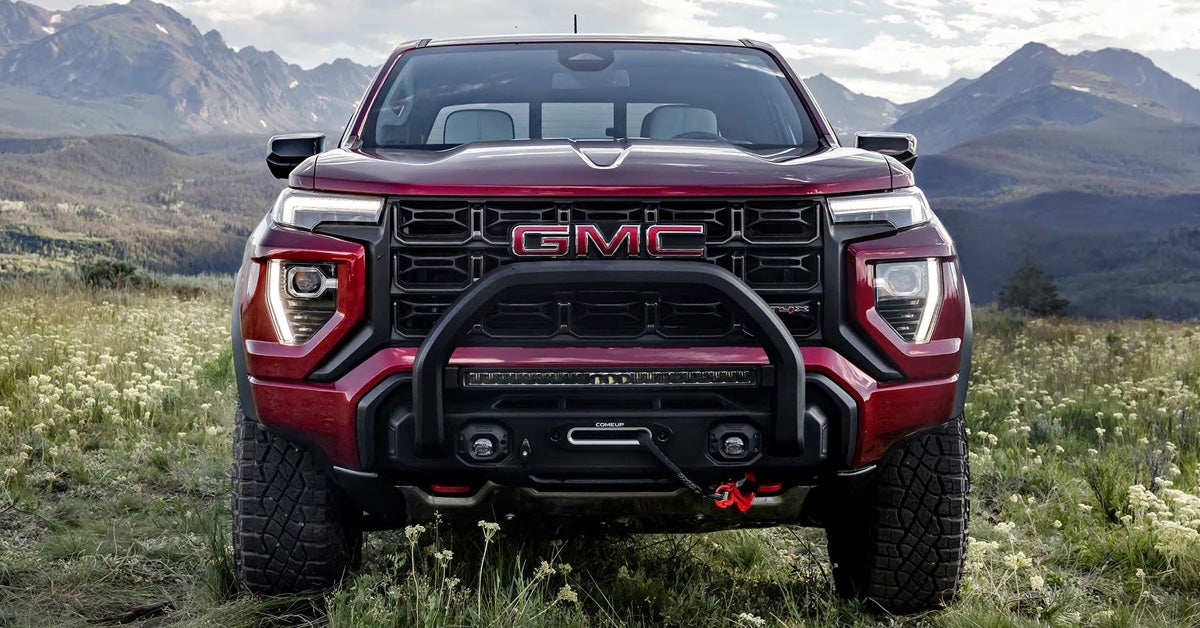
2026 GMC Canyon

GMC Canyon Package & Trim Options [2026 Guide]

The 2026 GMC Canyon gives buyers more than just four trim levels to compare. Alongside Elevation, AT4, AT4X, and Denali, available package options like Technology Plus, AT4 Premium, Nightfall, and the AT4X AEV Edition can significantly change how the Canyon is equipped for daily driving, off-road use, or added comfort. At Joe Ball GMC, we’re here to help drivers explore the GMC Canyon with support that extends well beyond the showroom floor, including sales, service, parts, and conversational guidance on our financing options. Whether you're comparing trims in person or narrowing down your next truck from home, we invite drivers from Pittsburgh, Munhall, and Homestead to visit Joe Ball GMC or contact our team today. Explore The New Canyon Get Directions Contact Us What Are the 2026 GMC Canyon Trim Levels? The Canyon lineup is straightforward, but the personality of each trim changes meaningfully depending on what you want from your truck. The 2026 GMC Canyon is offered in four trim levels: Elevation, AT4, AT4X, and Denali, each with its own pricing position and intended use. Elevation (Starting MSRP: $38,900) The Elevation serves as the foundation of the Canyon lineup, offering core truck functionality with trailering tools and driver-focused technology. For buyers who want midsize truck capability without stepping immediately into specialty off-road or premium territory, this is the natural starting point. AT4 (Starting MSRP: $45,500) Move into the AT4, and the Canyon shifts toward off-road utility. With hardware built for rougher terrain, this trim makes sense for drivers who expect more adventure-focused capability while staying below the highest pricing tiers. AT4X (Starting MSRP: $57,300) AT4X takes that formula much further. With specialized equipment like Multimatic DSSV dampers, front and rear electronic locking differentials, Baja drive mode, and underbody camera views, this trim is clearly aimed at buyers prioritizing serious off-road performance. Denali (Starting MSRP: $53,300) Denali takes a different route. Rather than pushing deeper into trail-focused specialization, it emphasizes premium appointments like perforated leather-appointed seating, open-pore wood trim, Bose audio, and a Head-Up Display. Among the available 2026 GMC Canyon packages, some trims also open the door to additional capability, styling, or technology-focused upgrades depending on configuration. How Does the 2026 GMC Canyon Trim Comparison Change From One Model to the Next? Looking at the 2026 GMC Canyon trim levels side by side, the biggest difference is how each model shifts the truck’s purpose rather than simply adding more equipment. The move from Elevation to AT4 changes the Canyon’s focus toward more dedicated off-road functionality, including hardware like a two-speed Autotrac transfer case, Advanced Hill Descent Control, and an automatic locking rear differential. Step from AT4 to AT4X, and the upgrades become far more specialized. The AT4 is built for capable off-road use. AT4X is engineered for buyers who want features like launch control, rocker protectors, and terrain-specific enhancements that go beyond general trail driving. The Denali comparison is different. Rather than competing with the AT4X on extreme off-road specialization, it takes the Canyon in a more refined direction with exclusive interior materials, standard wireless charging, and upscale design distinctions. Not every jump between trims is about doing more. Sometimes it is about doing something different. Which 2026 GMC Canyon Packages Add the Most Value? Value depends on what you expect your Canyon to do. In a 2026 GMC Canyon trim comparison, some packages expand capability, others sharpen comfort, and some simply change the truck’s visual personality. For buyers who prioritize convenience and connected functionality, the available Technology Plus Package adds another consideration depending on trim configuration. That makes package selection about more than appearance or off-road upgrades alone. The AT4 Premium Package takes a comfort-focused approach, adding leather-appointed front seating surfaces for buyers who want a more refined cabin feel without stepping into a different trim altogether. The AT4X AEV Edition is built with a very different purpose. With AEV hot-stamped boron steel skid plates, stamped steel bumpers, 35-inch Goodyear Wrangler Territory MT tires, front winch capability, and a bed-mounted spare tire carrier, it is clearly aimed at serious off-road use. The Nightfall Edition and Nightfall Essentials Package focus on styling, with black badging, dark wheel treatments, and appearance-focused exterior upgrades. The right package depends less on what looks best on paper and more on how the truck will actually be used. What Technology Features Define the 2026 GMC Canyon Lineup? For many truck shoppers, technology is not just a bonus feature; it is part of the ownership experience. The Canyon lineup blends infotainment, trailering support, driver assistance, and available package upgrades that can meaningfully change how the truck feels day to day. Driver Information & Infotainment Core technology features across the Canyon lineup include: 11.3-inch GMC Infotainment System Google built-in compatibility Voice-activated functionality Wireless Apple CarPlay compatibility Wireless Android Auto compatibility 11.0-inch Driver Information Center These features keep navigation, communication, and vehicle information within easy reach. Visibility & Camera Technology Available visibility-focused technology includes: HD Rear Vision Camera with Hitch View HD Surround Vision Up to 10 available camera views Available underbody camera views on select trims For drivers towing equipment or navigating tighter terrain, these tools can make a noticeable difference. Available Technology Upgrades Depending on configuration, buyers may also find the available Technology Plus Package as part of their decision-making process, adding another layer to how the Canyon can be equipped. Additional available technology includes: Canyon Pro Safety Canyon Safety Plus Available Head-Up Display Available OnStar functionality Available remote commands Automatic Crash Response Which 2026 GMC Canyon Trim Fits Your Driving Priorities Best? Choosing the right Canyon starts with how you actually plan to use it, not simply which trim sits highest in the lineup. If your truck life revolves around everyday hauling, commuting, and practical utility, Elevation makes the most sense as the straightforward starting point. If weekend plans regularly involve dirt, uneven trails, or towing gear into less forgiving terrain, the AT4 becomes the more logical fit thanks to its purpose-built off-road hardware. AT4X is for a narrower buyer. This trim makes sense if off-road capability is the priority rather than occasional recreation. Features like specialized trail equipment make it the more focused choice. Denali fits a different kind of driver, someone who wants Canyon utility paired with a more premium cabin experience. For tech-focused shoppers searching for a 2026 GMC Canyon technology package, the better question is which trim aligns with the features you actually use most, whether that means driver information tools, connected services, or expanded visibility systems. The best trim is the one that matches your routine, not someone else’s checklist. What comes with the 2026 GMC Canyon Technology Package? The 2026 GMC Canyon offers an available Technology Plus Package on certain configurations. Package contents vary by trim, so included features depend on the specific Canyon model selected. What comes with the 2026 GMC Canyon Premium Package? The AT4 Premium Package includes leather-appointed front seating surfaces and is available for the Canyon AT4. What comes with the 2026 GMC Canyon Nightfall Package? The Nightfall Edition includes rocker protectors, 20-inch machine-faced aluminum wheels with dark pockets, an accessory bed-mounted sports bar, black AT4 accessory badges, and black GMC accessory emblems. The Nightfall Essentials Package includes the wheel treatment plus dealer-installed black badging. What are the trim options for the 2026 GMC Canyon? The 2026 GMC Canyon is available in four trim levels: Elevation, AT4, AT4X, and Denali. Each trim emphasizes a different mix of utility, off-road capability, or premium comfort. Explore the GMC Canyon and More at Joe Ball GMC Choosing the right GMC Canyon often comes down to the details. For some drivers, that means comparing trims and available packages. For others, it means understanding how everyday ownership features, towing tools, or connected technology fit into the bigger picture. Whether you're shopping for a Canyon or exploring other GMC vehicles, Joe Ball GMC is here to support drivers from Pittsburgh, Munhall, and Homestead with vehicle sales, service, parts, and financing guidance. If you're continuing your GMC research, you may also find helpful information in topics like Sierra Transparent Trailer View, troubleshooting a stuck ignition key, or understanding common GMC air-conditioning concerns. If you're ready to compare available models, ask questions about trim and package availability, or continue exploring your options, contact Joe Ball GMC today, visit us, or browse our wider vehicle selection online. Get Directions to Joe Ball GMC Disclaimer: All information is provided for general informational and entertainment purposes only. While we strive for accuracy, we cannot guarantee that all content is complete, current, or error-free. Any reliance you place on such information is strictly at your own risk. This article may include opinions and is not endorsed by, or officially affiliated with, any vehicle manufacturer or brand. Always consult official sources – such as the vehicle’s owner’s manual, authorized dealerships, or certified professionals – for the most up-to-date and personalized information.
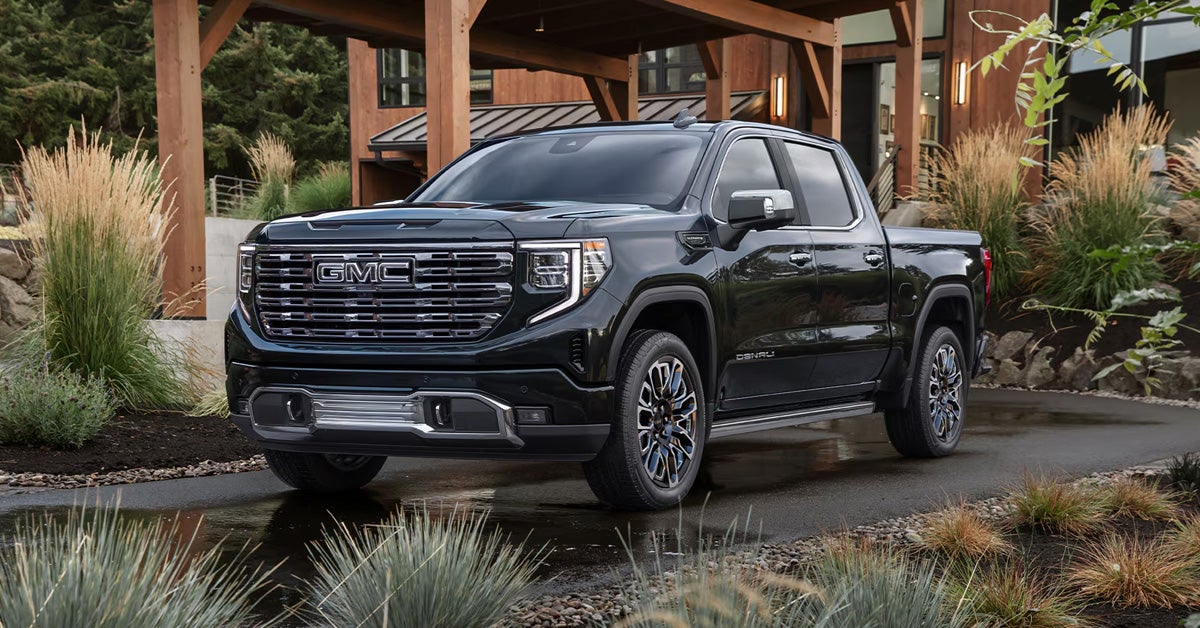
A parked black 2026 Sierra 1500

5 Signs Your GMC's Needs Its Wheel Aligned [2026]

Wheel alignment problems often reveal themselves through a few clear warning signs, including a vehicle that pulls to one side, a crooked steering wheel, uneven tire wear, reduced handling stability, and alignment issues that appear after hitting a pothole or curb. Recognizing these signs your car needs an alignment early can help protect your tires, improve driving comfort, and keep your GMC Sierra 1500, Canyon, or Terrain tracking straight on the road. At Joe Ball GMC, we're here to support drivers through every stage of vehicle ownership, from finding the right GMC and exploring financing options to ordering genuine parts and caring for your vehicle over time. Whether you're shopping for your next GMC or looking for support with your current one, our team is ready to assist. Contact us or visit Joe Ball GMC today to learn more about keeping your GMC performing at its best. Explore New GMC Get Directions Contact Us Sign 1: Is Your GMC Pulling to One Side While Driving? One of the most noticeable signs you need a wheel alignment is when your GMC consistently drifts to the left or right while you're trying to drive straight. Instead of maintaining its path with minimal steering input, the vehicle may require frequent corrections to stay centered in the lane. This can become especially noticeable during longer drives or on roads where you would normally expect the vehicle to track straight. For example, imagine driving your GMC Canyon down a familiar stretch of road. You briefly relax your grip on the steering wheel and notice the truck gradually moving toward one side of the lane. If this happens repeatedly under similar driving conditions, it may point to an alignment issue rather than a one-time road condition. A vehicle that pulls to one side can make driving feel less natural and may be one of the earliest warning signs that the wheels are no longer aligned as intended. Sign 2: Is Your Steering Wheel Crooked When Driving Straight? A steering wheel that sits off-center while you're driving in a straight line can be one of the more subtle signs of bad alignment. Everything may seem normal at first, but over time you may notice that the wheel needs to be held slightly to the left or right to keep the vehicle moving where you want it to go. Consider a GMC Terrain traveling down a straight roadway. The vehicle continues forward without obvious pulling, yet the steering wheel is noticeably tilted instead of resting in its centered position. That mismatch can indicate that the wheels and steering components are no longer aligned properly. Unlike some alignment symptoms that develop gradually, a crooked steering wheel is often something drivers notice every time they get behind the wheel. Because it is constantly in view, it can serve as an early clue that something has changed. Paying attention to the position of the steering wheel during normal driving can help identify alignment concerns before they become more noticeable. Sign 3: Are Your Tires Wearing Unevenly? Your tires can reveal a lot about the condition of your vehicle. When alignment is out of specification, the tires may not meet the road surface evenly, causing certain areas of the tread to wear down faster than others. This type of wear can be difficult to spot at a glance, which is why periodic tire inspections are helpful. Common patterns that may point to an alignment concern include: Excessive wear along the inner edge of the tire Excessive wear along the outer edge of the tire Feathered or uneven tread surfaces One tire wearing noticeably faster than the others For drivers of a GMC Sierra 1500, uneven tire wear can become especially frustrating because tires represent a significant maintenance expense. In many cases, addressing an alignment concern early may be far less costly than replacing tires prematurely. That is one reason why discussions about GMC wheel alignment cost often focus on the long-term value of protecting tire life, not just the service itself. If you notice unusual tread wear patterns, it may be worth taking a closer look at the vehicle's alignment. Sign 4: Does Your GMC Feel Less Stable on the Road? A properly aligned vehicle typically feels composed and predictable, while one with alignment issues can feel less settled during everyday driving. The change is not always dramatic. Sometimes it starts as a subtle feeling that the vehicle no longer responds as confidently as it once did. Consider the difference between two otherwise similar drives in a GMC Canyon. In one situation, the truck feels planted and follows your intended path smoothly through gentle curves. In the other, it may feel slightly reluctant to hold its line, requiring more attention and steering input than expected. While several factors can influence vehicle behavior, alignment is one possibility worth considering. This is also why some drivers begin researching a GMC front-end wheel alignment after noticing that the vehicle simply feels "off" without any obvious warning signs. When the driving experience becomes less predictable than usual, it can be a clue that the wheels are no longer working together as intended. Sign 5: Have You Recently Hit a Pothole, Curb, or Road Hazard? Sometimes the warning sign is not a symptom you can see or feel right away. Instead, it is an event you remember. A hard impact from a pothole, curb, or other road hazard can be enough to affect wheel alignment, even if the vehicle seems to drive normally afterward. Common situations that may lead to alignment concerns include: Striking a deep pothole Bumping a curb while parking Driving through rough construction zones Hitting road debris Encountering uneven or damaged pavement For example, a driver might hit a pothole in their GMC Terrain and continue driving without noticing any immediate changes. Days or weeks later, one of the signs your car needs an alignment may begin to appear. The connection is not always obvious because the impact and the symptom do not necessarily occur at the same time. Keeping track of recent road impacts can provide useful context when trying to determine whether an alignment issue may be developing. Why Wheel Alignment Matters for Your GMC Wheel alignment is the adjustment of your GMC's wheels so they are positioned correctly relative to each other and the road. When alignment is off, even slightly, it can affect how your vehicle tracks, responds to steering inputs, and wears its tires over time. Many of the common signs your car needs an alignment begin gradually, making them easy to miss during everyday driving. A properly aligned vehicle helps support a more consistent driving experience by keeping the wheels pointed in the intended direction. Whether you drive a GMC Sierra 1500 for work, a Terrain for daily commuting, or a Canyon for weekend adventures, alignment plays a role in how your vehicle feels behind the wheel. Some of the most common reasons alignment matters include: More predictable steering response Improved tire wear patterns Better straight-line tracking Reduced need for constant steering corrections Because alignment issues often develop over time, recognizing early warning signs can help prevent small concerns from becoming larger tire or handling problems. How Much Does a GMC Wheel Alignment Cost in 2026? The cost of a wheel alignment depends on factors such as your GMC model and the type of alignment service required. While alignment pricing can vary, Pittsburgh-area drivers may see alignment specials advertised around $100, while some GMC alignment estimates fall between roughly $160 and $240 depending on the vehicle and service needs. A GMC Sierra 1500, Canyon, and Terrain may not all require the same alignment service, which is one reason costs can differ. If you've noticed signs you need a wheel alignment, addressing the issue early may help prevent uneven tire wear and other related concerns. For current alignment pricing and recommendations for your specific GMC, contact our service team for an estimate. How much does a wheel alignment cost? Wheel alignment costs can vary based on factors such as your GMC model and the type of alignment needed. Contact our service team for current pricing and an estimate tailored to your specific vehicle. What causes a misaligned wheel? Wheel alignment can be affected by impacts from potholes, curbs, road debris, rough pavement, and construction zones. Alignment issues may also develop gradually over time as vehicle components experience normal wear. What are the signs my GMC needs its wheels aligned? Common signs include the vehicle pulling to one side while driving, a crooked steering wheel when traveling straight, uneven tire wear, reduced stability on the road, and alignment concerns that appear after hitting a pothole or curb. What happens if I drive with a misaligned wheel? A misaligned vehicle may experience uneven tire wear, reduced driving stability, and changes in steering feel. If left unaddressed, alignment issues can contribute to premature tire replacement. Get a Wheel Alignment Estimate and Find Your Next Ride at Joe Ball GMC Wheel alignment issues often start small. A slight pull while driving, an off-center steering wheel, or unusual tire wear may not seem urgent at first, but recognizing these warning signs early can help you maintain a more confident driving experience. Talk to us for a wheel alignment estimate. Drivers throughout Pittsburgh, Munhall, and Homestead can explore a wide selection of GMC vehicles at Joe Ball GMC, including the Sierra 1500, Canyon, and Terrain. Whether you're searching for a capable truck or a versatile SUV, our inventory offers options for a variety of driving needs. Looking for more GMC ownership tips? Explore resources covering Canyon trim options, stuck ignition keys, and Sierra A/C issues to learn more about vehicle features, maintenance concerns, and model comparisons. You can also browse our service center, parts department, and financing options for additional resources related to GMC ownership. When you're ready to take the next step, browse our inventory, visit us, or contact the Joe Ball GMC team for additional assistance. Get Directions to Joe Ball GMC Disclaimer: All information is provided for general informational and entertainment purposes only. While we strive for accuracy, we cannot guarantee that all content is complete, current, or error-free. Any reliance you place on such information is strictly at your own risk. This article may include opinions and is not endorsed by, or officially affiliated with, any vehicle manufacturer or brand. Always consult official sources – such as the vehicle’s owner’s manual, authorized dealerships, or certified professionals – for the most up-to-date and personalized information.

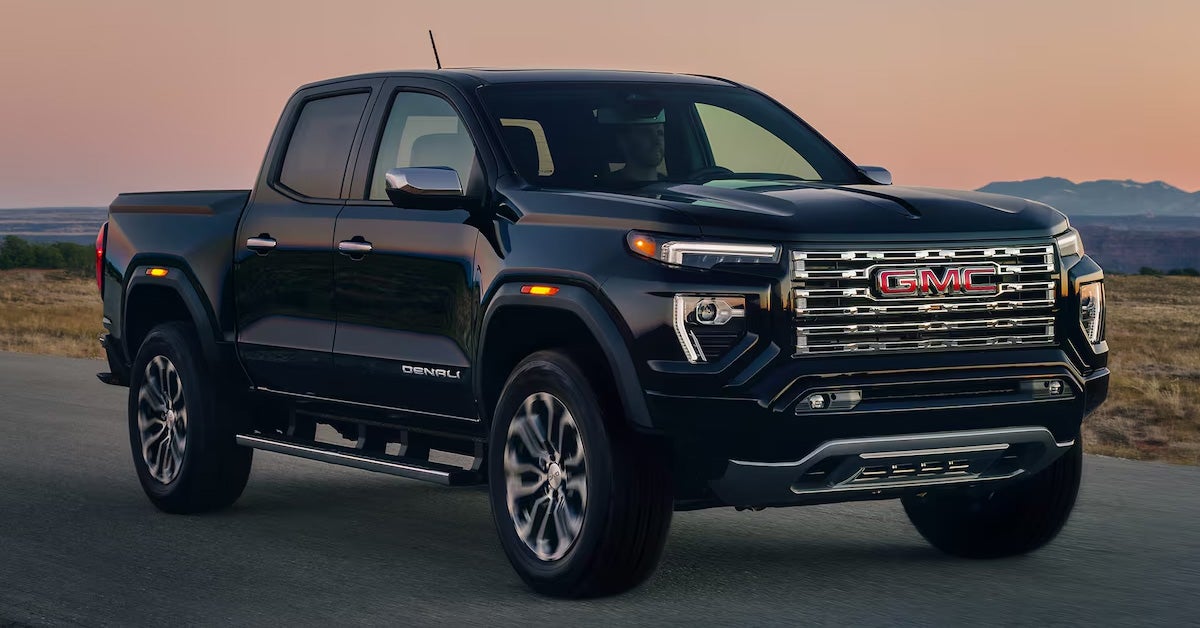
Parked black 2026 GMC Canyon

How to Remove a Key Stuck in Your GMC’s Ignition

A GMC key stuck in the ignition can often be resolved by checking that the vehicle is fully in park, relieving tension on the steering wheel, and ensuring the battery has enough power to support ignition release systems. Simple, careful steps can help free the key without causing damage, whether you are dealing with a GMC Canyon key stuck in the ignition or a situation where a car key stuck in the ignition with a dead battery is preventing release. Understanding these basics gives you a clear, safe path to remove the key and get back on the road. At Joe Ball GMC, we are here to support you through every step of vehicle ownership, from diagnosing issues like a GMC key stuck in the ignition to helping you find your next GMC Canyon. Our team can assist with service, parts, and flexible financing options designed to fit your needs. Visit our dealership or contact us today to get expert help and keep your vehicle running the way it should. Explore The New Canyon Get Directions Contact Us What Should You Do First When Your GMC Key Won’t Come Out? A GMC key stuck in the ignition can catch you off guard, whether you are parked in your driveway or trying to leave a crowded area in Pittsburgh, Munhall, or Homestead. It is a frustrating but fairly common issue, especially for drivers dealing with a key getting stuck in ignition of a GMC Canyon. The good news is that most situations can be handled with a few simple checks before anything more serious is needed. Start with the basics and stay calm. Small adjustments often make the difference: Make sure the vehicle is fully shifted into Park Gently turn the steering wheel to release tension Check that the key is in the correct position before removing it In vehicles like the Canyon, everyday driving habits and small mechanical factors can influence how the ignition behaves. Taking a moment to go through these quick steps is often the safest way to begin when figuring out how to remove a key stuck in the ignition. Why Is Your GMC Key Getting Stuck in the Ignition? When a GMC key stuck in ignition issue happens, it is usually tied to a small mechanical or electrical condition rather than a major failure. In many Canyon situations, the cause is something simple that prevents the ignition from recognizing it is safe to release the key. A few common factors to consider include: Gear position: If the vehicle is not fully in Park, even by a small margin, the key may stay locked in place Steering wheel tension: Pressure on the wheel can bind the ignition cylinder and make removal difficult Battery condition: In cases involving a car key stuck in the ignition, a dead battery scenario, limited power may interfere with systems connected to the ignition release Modern vehicles like the Canyon include Keyless Entry and Start (standard), which means electronic systems can also play a role in how the ignition behaves. In some cases, more than one of these factors can overlap, making the issue feel inconsistent or harder to pinpoint at first. How Can You Safely Remove a Key Stuck in Your GMC’s Ignition? If you are figuring out how to remove a key stuck in the ignition, the goal is to work slowly and avoid forcing anything. A careful, step-by-step approach is especially helpful in vehicles like the Canyon, where both mechanical and electronic factors may be involved. Follow these steps: Confirm the vehicle is fully in Park Even a slight misalignment can keep the key locked. Firmly shift into Park and try again Gently turn the steering wheel Move it left and right while lightly turning the key; this can relieve pressure inside the ignition Cycle the ignition position Turn the key slightly forward and back, then attempt removal once it is fully in the correct position Inspect the key itself Look for visible wear or bending that could prevent a smooth release Keep movements gentle and controlled. Forcing the key can lead to damage that may be required. Can a Dead Battery Cause Your Car Key to Get Stuck in the Ignition? A car key stuck in the ignition, a dead battery situation can happen when the vehicle does not have enough power to complete the systems that allow the key to release. In a Canyon, electrical components are tied closely to ignition behavior, so a weak or drained battery can interrupt that process and leave the key in place. Modern setups, including Push Button Start (standard), rely on proper electrical function. When power is low, the system may not fully register that the vehicle is in a state where the key can be removed. This can make a GMC Canyon key stuck in the ignition issue feel sudden or confusing. Here are a few safe steps to try: Check the battery condition Look for signs of a drained or unresponsive battery Restore power if possible Attempt removal after power returns Once systems reset, try removing the key again When Should You Stop Troubleshooting and Seek Professional Help? There comes a point where continuing to troubleshoot can do more harm than good. If your Canyon key refuses to come out after several careful attempts, it may be time to step back and consider a closer inspection. Watch for these signs: The key will not budge at all After multiple attempts using safe methods, there is no movement or progress The ignition feels loose or damaged Any unusual movement or resistance can point to internal wear The issue keeps coming back Repeated problems, including cases similar to a car key stuck in the ignition or a dead battery scenario, may signal a deeper electrical or mechanical concern Picture being stuck in a parking lot in Pittsburgh or running errands through Munhall or Homestead, only for the problem to return again. That kind of pattern often means the issue is not temporary. Avoid forcing the key at this stage. Persistent problems may require a proper inspection to prevent further damage. How Can You Prevent a GMC Key from Getting Stuck Again? Preventing a key from getting stuck in the ignition of a GMC Canyon often comes down to small, consistent habits. With a Canyon, everyday driving routines can influence how smoothly the ignition system responds over time. A few simple practices can help reduce the chances of running into the issue again: Always shift fully into Park Take an extra second to confirm the gear is fully engaged before turning off the vehicle Avoid forcing the key If something feels off, pause and adjust instead of applying pressure Keep the battery in good condition Stable power supports systems connected to ignition behavior Stay aware of changes If the key feels tighter than usual or requires extra effort, it may be an early sign to address Think of it as part of your regular driving rhythm. Small adjustments today can help keep your Canyon running smoothly and avoid unexpected interruptions later. What are the possible causes of a key getting stuck in the ignition? A key getting stuck in the ignition can be caused by the vehicle not being fully in Park, steering wheel tension, or battery-related issues that affect ignition release systems. How do I remove the key stuck in the ignition while my battery is dead? To remove a key stuck in the ignition during a car key stuck in ignition battery dead situation, check the battery condition, restore power if possible, and attempt removal once electrical systems reset. How much does it cost to fix a key that gets stuck in the ignition? Fixing a key stuck in the ignition can cost around $100 to $500, depending on the service needed. Is it safe to force a stuck key in the ignition? No, forcing a stuck key is not safe and can cause damage to the ignition components, leading to further repairs. Stay Prepared on the Road with Expert Support from Joe Ball GMC Dealing with a stuck key can turn a normal day into a frustrating delay, especially when you are on a tight schedule around Pittsburgh, Munhall, or Homestead. The right approach starts with simple checks, knowing when to pause, and understanding when the issue may need a closer look. Small habits and awareness can go a long way in keeping your Canyon running smoothly and avoiding repeat problems. If you found this helpful, there is more to discover about getting the most out of your vehicle. Learn more about AC troubleshooting guide, get familiar with trailer view setup, or take a closer look at Super Cruise basics to better understand how your GMC works day to day. These quick reads can help you stay prepared for both common issues and advanced features. At Joe Ball GMC, we are proud to serve drivers throughout Pittsburgh, Munhall, and Homestead with a wide selection of vehicles, including the Canyon. Whether you are troubleshooting a concern or planning your next upgrade, our team is here to help with service, parts, and flexible financing options tailored to your needs. Visit our dealership or contact us today to experience support that keeps you moving forward with confidence. Get Directions to Joe Ball GMC Disclaimer: All information is provided for general informational and entertainment purposes only. While we strive for accuracy, we cannot guarantee that all content is complete, current, or error-free. Any reliance you place on such information is strictly at your own risk. This article may include opinions and is not endorsed by, or officially affiliated with, any vehicle manufacturer or brand. Always consult official sources – such as the vehicle’s owner’s manual, authorized dealerships, or certified professionals – for the most up-to-date and personalized information.